
The Stay In Effect: Why Dog Friendly Hotels Capture More Revenue Per Guest
Let the dog into the bar and the guest stays downstairs, ordering drinks, dinner and the spa. Confine it to the room and they take their money down the street. We call it the Stay In Effect, and it is why genuinely dog friendly hotels capture far more revenue per guest than those who keep dogs out.
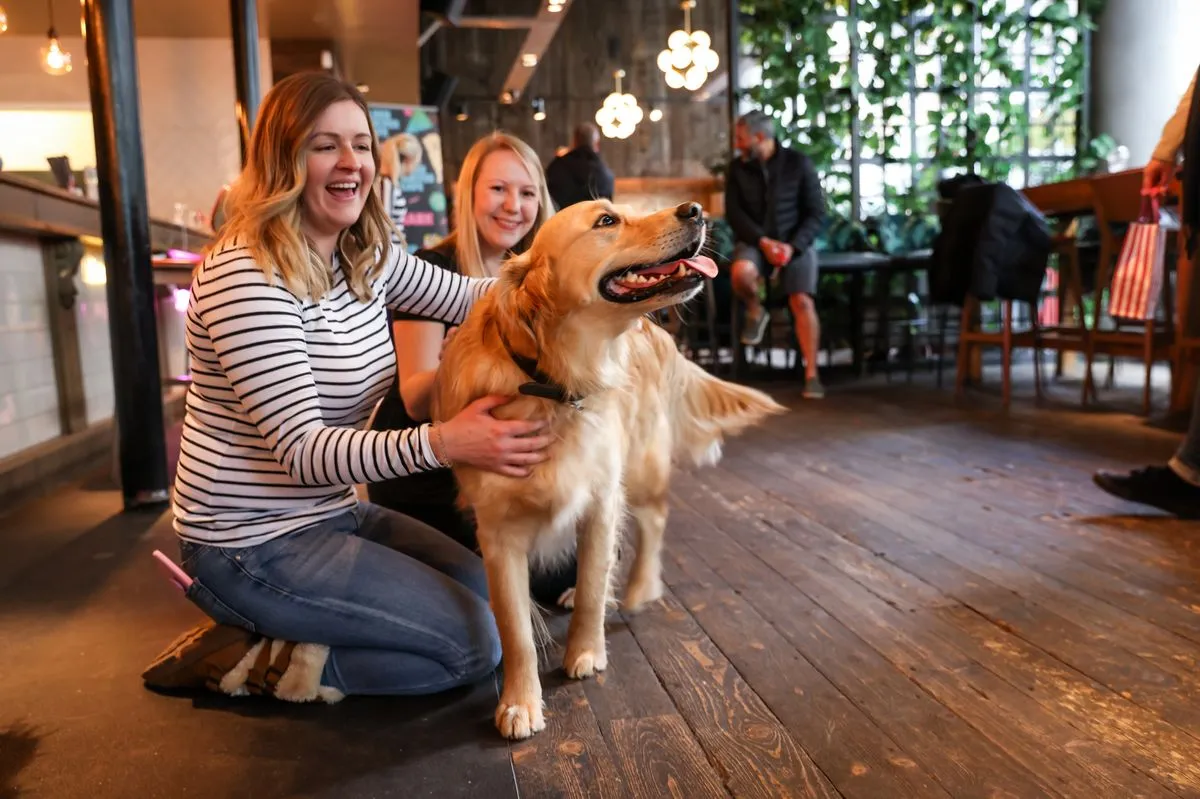
I have sat in hotel bars in Tokyo, Berlin and Miami watching how they handle a guest who arrives with a dog. The ones that let the dog into the bar, the restaurant and the lounge keep that guest on the property, spending all evening. The ones that shut the dog in the room lose the guest to the place down the street. We call this the Stay In Effect, and it is the reason genuinely dog friendly hotels take more revenue per guest than hotels that merely tolerate a dog upstairs.
How it works
A guest travelling with a dog makes the same decision every time they want to eat, drink or relax. If the dog is welcome downstairs, the guest stays downstairs. They order a drink. They eat dinner. They linger over coffee, and they book the spa treatment because the dog is settled happily beside them. The hotel takes all of it.
If the dog is stuck in the room, the maths flips. Leaving a dog alone in a strange hotel room is stressful for the dog and the owner both, so the guest does not order room service and make peace with it. They go out, find somewhere down the street that welcomes the dog, and spend their evening and their money there.
The hotel takes the room rate and nothing else.
This is not a philosophical position about including animals. It is a revenue mechanism, and the data from more than 2,000 assessed hotels confirms it.
The 30% premium
Dog owning guests spend roughly 30% more on the property, on food, drink, spa and the rest, than conventional guests. They are not bigger spenders by nature. They spend more because they stay on the property longer, and they stay because the dog is welcome.
Length of stay compounds it. Across the dataset these guests stay 2.56 nights against an industry norm of 2.1, a 22% premium, and they are the most loyal guests in hospitality. More nights, more spend per night, and the revenue profile pulls well clear of the average guest.
Is your hotel on this list? Browse the Roch directory →
The margin makes it better still. Pet related services run at 5 to 8% of total hotel revenue but contribute 25 to 30% of profit. The overhead is almost nothing. The guest is already in the room, the kitchen is already open, and the cost of serving a dog owning guest is a fraction of what they spend.
Access is the lever
Shared space access is the whole game. A hotel that keeps the dog in the room forfeits the spending premium completely. A hotel that lets the dog into even one indoor shared space lifts its food and beverage capture immediately.
Across the Roch Dog dataset the pattern is stark. Properties scoring above 25 points against the standard share the same traits: broad room availability, few restrictions, real amenities, and partial or full access to public areas. Properties scoring below 15 share the opposite: tight weight limits, no amenities, room only, and fees set to discourage rather than welcome. The line between the two groups is not about budget. It is about whether the hotel lets the dog into the building.
The same brand, two outcomes
Take two hotels in the same brand. One scored A+. It opens the bar, the terrace, the lounge and the garden to dogs, runs regular dog friendly social events that build a community of dog owning guests, and earns higher food and beverage capture from those guests than from guests without dogs, because they are on the property, relaxed, and spending.
The other scored F. It gives dogs no access to any public area. Its food and beverage revenue from the dog owning segment is effectively zero, because those guests are eating somewhere else. Same brand, same playbook available to both.
The gap is a decision.
What hotels leave on the table
The model is not complicated. A 250 room luxury hotel running at 70% occupancy with a $350 average daily rate can expect around $2.3 million in conservative incremental annual revenue from a proper dog friendly programme. Nearly $500,000 of that is the ancillary premium alone. That is the Stay In Effect with a number on it.
What it costs to capture is modest. Opening the bar to dogs costs almost nothing. Real bowls in the room cost less than restocking the minibar. Training staff to welcome a dog costs less than the staff Christmas party. The capital to move a hotel from an F grade experience to a B sits between $50,000 and $100,000, and the payback at the base case runs 8 to 16 days. There are decisions that make a hotel genuinely dog friendly, and most of them cost less than you would think.
The most expensive decision a hotel can make here is not the investment in becoming dog friendly. It is the decision to confine the dog to the room and watch the ancillary revenue walk out the front door time and time again.

Kali Concierge
Travelling with your dog? Ask Kali.
Where your dog is genuinely welcome to stay, eat, drink and walk in 50+ countries, how to cross borders with the right paperwork, and calm emergency medical advice with the nearest 24-hour vet. Free, day or night, in any language.