
The 76% Return Rate: Why Dog Owners Are the Most Loyal Hotel Guests on Earth
The industry spends a fortune on points and tiers to push repeat bookings past 40%. Dog friendly hotels hit 76% with no loyalty programme at all. Once a dog owner finds a hotel that genuinely welcomes their dog, they do not gamble on the unknown again. Here is what that loyalty is worth.
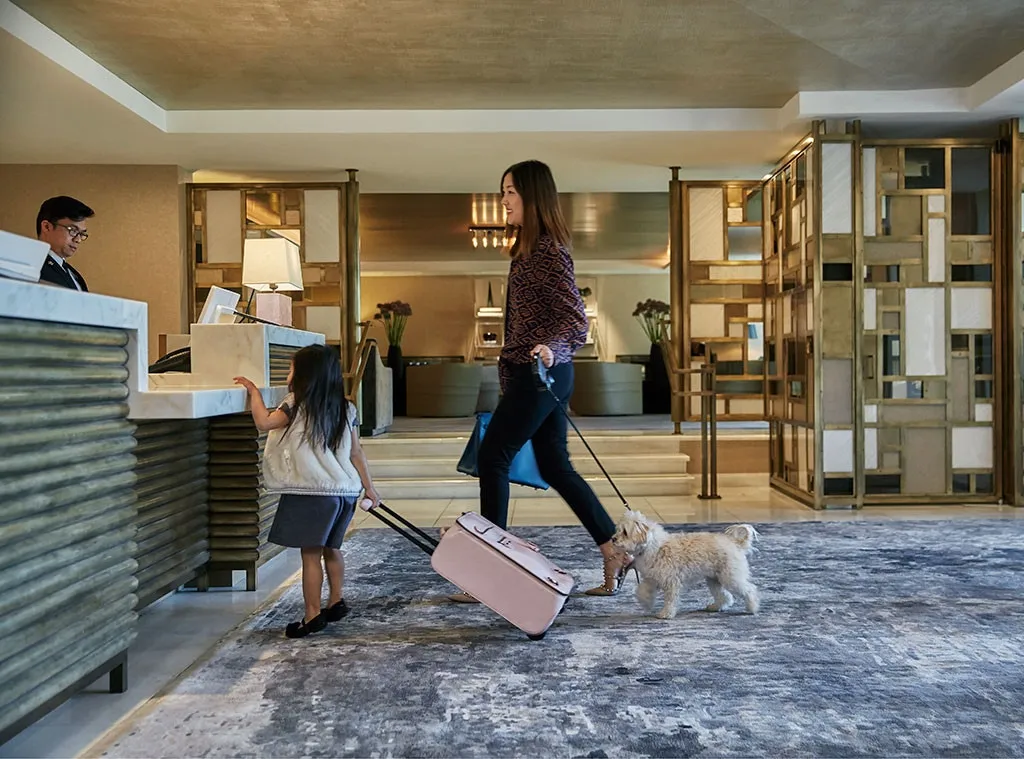
The first time I saw the 76% number I did not believe it. We ran the data three times before I accepted it was real. The hotel industry spends enormous sums chasing repeat business. Points, tiers, status matches, free night certificates, welcome amenities for gold members, personalised emails begging last year's guest to come back. The whole apparatus exists to push repeat bookings past 40%. Most brands hover between 30 and 40% and call that a good year.
Dog friendly hotels hit 76%.
Not through points. Not through tiers. Not through any programme at all. They get there by doing one thing properly: genuinely welcoming the dog. The guest comes back because they know the hotel works, and in a market where finding a hotel that truly welcomes dogs is an ordeal, that knowledge is worth more than any loyalty currency ever invented.
Loyalty is a switching cost, not a feeling
The 76% repeat rate is not really a measure of satisfaction, though satisfaction is part of it. It is a measure of switching cost, and the switching cost here is brutal.
A traveller looking for a hotel that will take their dog walks into a market where 49% of properties calling themselves pet friendly score D or F against the Roch Dog Friendly Standard. Half the market fails. The guest has no way of knowing which half until they arrive. So they phone ahead to confirm the dog is actually welcome, ask what the restrictions are, ask which areas they can use, because they have learned the hard way that the policy on the website and the policy at reception are frequently two different things.
I have watched this happen first hand. When a dog owner finally finds a hotel that takes their dog without friction, without hidden fees, without a receptionist who looks at the Labrador and says the website must be wrong, they have made an investment in discovery that they will not willingly make twice. The known quantity wins every time. Dog owners are not more loyal by temperament. They are more loyal because disloyalty costs them too much.
What it means in revenue
Every satisfied dog owning guest who checks out is not one booking. They are a recurring revenue stream, and the economics compound fast.
A loyal dog owner does not come back once. They come back four or five times a year, every year, and each stay runs longer and brings in more revenue per guest than a conventional booking. Set that against a conventional guest who returns maybe once or twice and spends the industry norm, and the lifetime value gap is not marginal. It is transformational for the hotels that understand it.
Is your hotel on this list? Browse the Roch directory →
Conservative estimates put the incremental annual revenue from genuine dog friendly hospitality at $750,000 to $4 million per property depending on scale and market. A large share of it comes from repeat bookings that cost the hotel nothing to win. No points burned. No upgrade given away. No marketing spend. The guest comes back because the hotel got it right the first time.
The first stay decides everything
In 2025, 27% of pet owners who travelled with their dog did it for the first time. That is an enormous cohort of new customers, many of them DINKWADs, dual income no kids with a dog, forming their hotel loyalties right now, this year.
The hotel that wins these guests now collects their 76% return rate for years. The hotel that loses them, to an opaque policy, an undisclosed weight limit, a receptionist who frowns at the dog, does not get a second chance. And dog owners talk. They trade recommendations in breed groups, on social media, at the dog park every morning. Earn one dog owner's loyalty and you earn access to their whole network. Disappoint one and the warning travels just as fast. The referral economics in this segment are asymmetric, and they do not run in your favour when you get it wrong.
Why loyalty programmes cannot touch this
Hotel loyalty programmes are built on an assumption: that guests are choosing between broadly comparable hotels and need a financial nudge to pick one. Points and free nights make the marginal difference when the base product is roughly the same. Dog friendly hospitality is not that market.
The base product is wildly inconsistent. A guest choosing between two hotels in the same loyalty programme has no way of knowing whether one shuts the dog in the room while the other welcomes it in the bar. The programme cannot solve this, because the programme does not measure it. The guest who books on points and arrives to find the dog barred from every shared space in the building does not feel rewarded. They feel deceived, and they do not come back.
The hotels hitting 76% are not offering more points. They are offering the one thing no programme can manufacture: certainty. The guest knows, before they book, that the dog will be welcome. That is the most valuable loyalty currency in hospitality and it costs nothing to provide. It needs a published policy, consistent delivery, real amenities, and staff who treat the dog as a guest. Every one of those decisions pays for itself in repeat bookings.
The moat
We have watched this play out right across the dataset. A hotel that has earned genuine dog friendly loyalty has built a moat that is very hard to cross. Once a dog owner trusts a property, a competitor cannot win them back by matching the offer. They have to beat the offer and overcome the switching cost of the unknown, and that is a far higher bar.
So the loyal hotel does not need to outspend anyone on marketing. It does not need to discount deeper. It needs to keep doing the thing it has already proved it can do: welcome the dog, deliver every time, and let the 76% do the rest.

Kali Concierge
Travelling with your dog? Ask Kali.
Where your dog is genuinely welcome to stay, eat, drink and walk in 50+ countries, how to cross borders with the right paperwork, and calm emergency medical advice with the nearest 24-hour vet. Free, day or night, in any language.