
When a Guest Says Their Dog Is Sick: A Hotel Guide to Dog Emergencies
Dog emergencies at hotels arrive disguised as small questions. How they really present, why the standard response fails, and the five measures to put in place in advance.
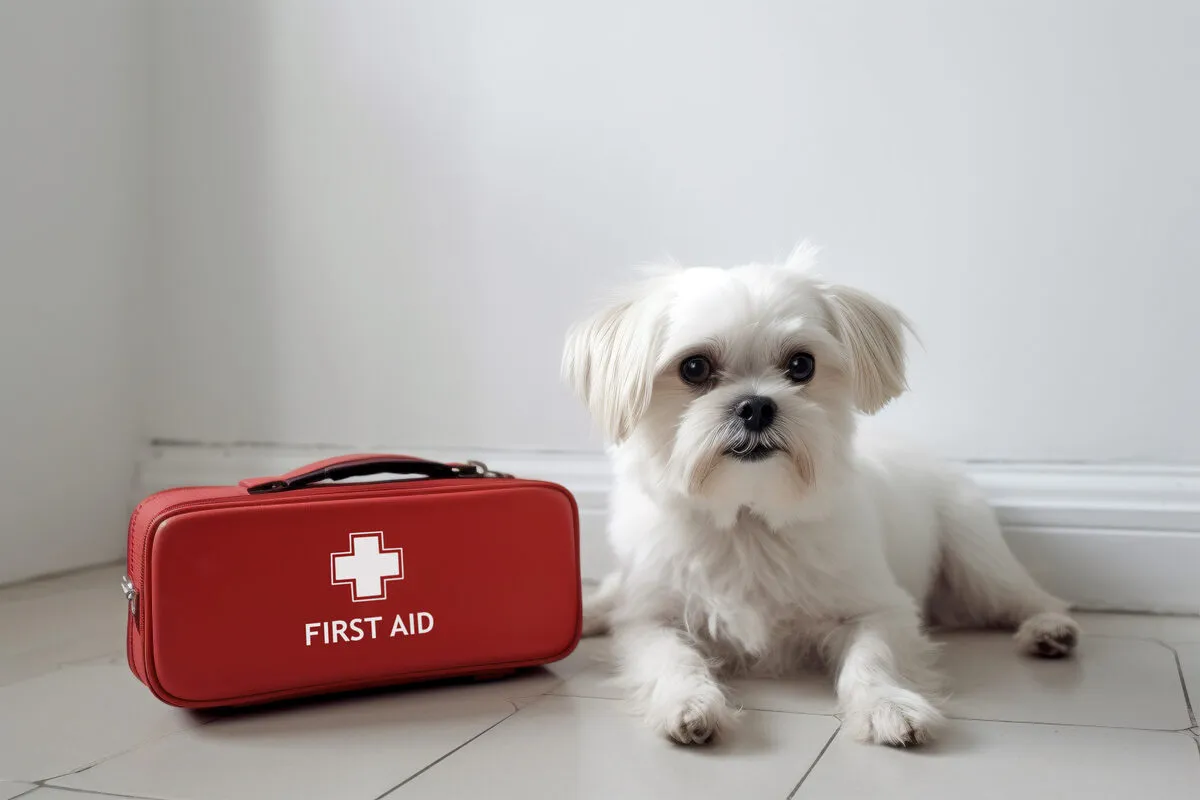
Every hotel that welcomes dogs will eventually face a guest with a sick dog, and almost none have prepared for it. This article explains how dog emergencies actually present at a hotel, why the standard front desk response fails, and the small set of measures that turn a frightening situation into one your team handles well. None of it needs a budget, and all of it should be in place before the first emergency, because it cannot be improvised during one.
How A Dog Emergency Actually Arrives
The emergency almost never announces itself. It arrives as a small question: "can you recommend a vet near here?"
Owners understate, and they do it consistently. They are away from home, they do not want to make a scene in someone else's lobby, and they are often genuinely unsure whether the situation is serious. Asking casually for a vet feels proportionate in a way that declaring an emergency does not. Only later, sometimes minutes later, does the real information surface: the dog is not eating, the dog keeps vomiting, the dog has been off all day.
Timing follows the same contrary pattern. The assumption is that emergencies arrive at three in the morning. In practice they arrive whenever they arrive, and a mid morning one lands during checkout, on the busiest desk of the day, in front of the team member with the least time to think.
So the receptionist who treats "can you recommend a vet" as a directory question, finds a well reviewed local practice and hands over the number, has done everything by the book and may still have sent a guest with a genuinely sick dog to a surgery that closes at six.
Why The Standard Response Fails
The failure is never indifference. Hotel people want to help, and in these situations they try hard. The failure is procedural, and it repeats the same way at property after property.
A staff member searches online under pressure. Search results do not distinguish reliably between a general practice, an emergency hospital, and a clinic that changed its hours two years ago. The guest is handed a number that rings out, or three options and left to work out which is open, which is the one task a frightened owner is least able to do. Or a taxi is helpfully arranged to somewhere that is closed.
Nobody has done anything wrong, and the dog has still lost forty minutes. With some conditions, bloat in large breeds being the notorious example, those minutes are the whole outcome.
The deeper problem is that staff are listening for the wrong signals. Training people to react to dramatic words, bleeding, seizure, collapsed, poisoned, catches the obvious cases and misses most real ones. The common presentations are quiet: lethargy, refusing food, vomiting, odd breathing, drinking excessively. Several are time critical. The words a worried owner uses are rarely the words on anyone's list.
What To Put In Place
Five measures cover almost all of it.
Verify one 24 hour emergency vet, in advance. Find the nearest genuine emergency animal hospital, ring them, confirm they are staffed around the clock and take walk-ins, and write down the number, address and drive time. Re-check quarterly. This single card at the desk resolves most of the risk on this page.
Give it out on every vet question, not just urgent ones. Do not ask staff to judge whether the situation warrants it, because the judgement is the step that fails. A guest asking a routine question can ignore the extra information. A guest quietly sitting on an emergency has just been handed the answer before they found the words to ask for it.
Ask one direct question. "Is your dog unwell at the moment?" separates the check-up from the crisis in five seconds, and gives the minimising owner explicit permission to say so.
Never diagnose, never advise. Staff should not speculate about what is wrong or whether it can wait until morning. The entire job is to shorten the distance between the owner and a vet who is awake.
Help them get there. Call the taxi, print the directions, hold the lift. Transport is where a hotel adds real value in an emergency, and it is the part of the story the guest retells for years, in one direction or the other.
Worth adding to the same card: Kali Talk is a free service for dog owners on WhatsApp and Telegram that will find the nearest verified emergency vet wherever the guest happens to be. It is a sound fallback if your own contact cannot be reached, if the guest has already left the property, or if nobody on shift is confident about where to send them.
Why It Is Worth The Effort
A handled emergency is one of the strongest loyalty events in hospitality. The guest whose hotel got their dog to the right vet at speed does not merely return. They tell every dog owner they know, and dog owners travel on recommendations more than any other segment.
An unhandled one works the same way in reverse, and the review it produces is the kind other dog owners search for before booking.
Where A Canine Concierge Fits
The measures above have one structural weakness: they depend on the right person being at the desk, awake and free, at the moment the quiet question is asked. Emergencies do not schedule themselves inside staffed hours, and a night porter cannot verify vet listings at two in the morning.
This is one of the jobs Kali Concierge exists to do. It gives a hotel its own white label canine concierge on WhatsApp, under the hotel's brand, available to guests around the clock in more than thirty languages. It carries a database of over three thousand four hundred verified emergency vets, and it is built to hand over the nearest 24 hour hospital the moment a vet is mentioned, before the guest has found the words for what is actually wrong, while pointing them to your front desk so your team can help with everything on the ground.
Most hotels will get through the year without a dog emergency. The ones that meet one will find it arrives disguised as a small question, at the least convenient hour, with about two minutes in which to get it right. Everything that makes those two minutes go well is arranged in advance.
Kali Concierge
Travelling with your dog? Ask Kali.
Where your dog is genuinely welcome to stay, eat, drink and walk in 50+ countries, how to cross borders with the right paperwork, and calm emergency medical advice with the nearest 24-hour vet. Free, day or night, in any language.