
The Quiet Economics of the Hotel Dog Menu
Costed honestly, the hotel dog menu is one of the most profitable plates a hotel kitchen sells. How hotels turn dog food into a high margin revenue line, and why the guest who orders it cannot spend anywhere else.
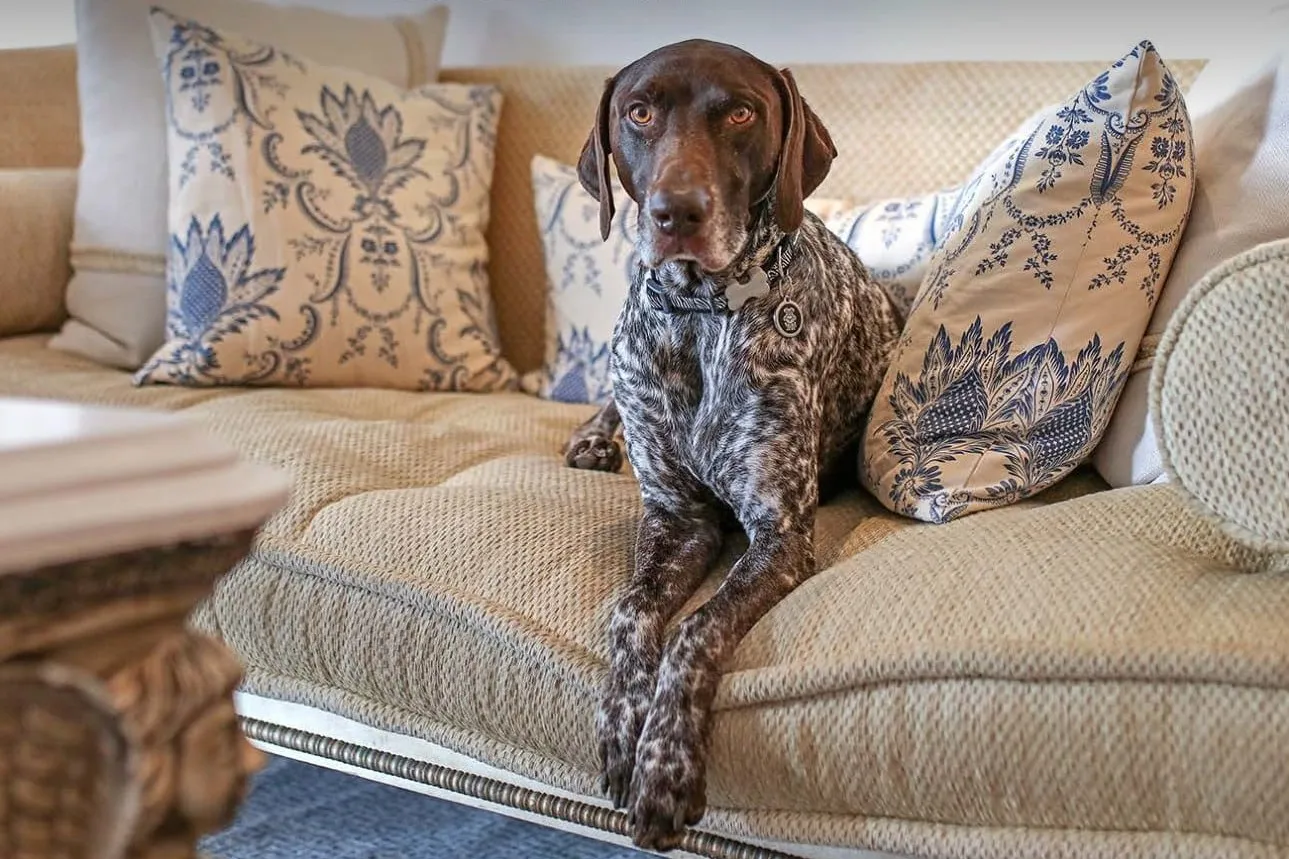
At a certain kind of hotel now, if you travel with a dog, something arrives at the door that would have been unthinkable a decade ago. Not a bowl of water and an apology, but a menu. A proper one, printed and bound into the room service folder, offering your dog a poached salmon fillet, or a ground beef bowl with vegetables, or at the grander addresses a filet mignon cut into cubes.
You order it the way you would order your own dinner, it comes up on the same trolley, and it appears on the same bill. The dog eats. Everyone is charmed.
What almost nobody has done is stop and ask what that little dish is actually worth to the hotel. So I did, and the answer reframes the whole thing. The dog menu is not a courtesy the industry offers at a loss to seem kind. Costed honestly, it is one of the most profitable individual products a hotel kitchen sells.
The charm is real. It is also, quietly, extremely good business.
To understand why, you have to look at the plate itself rather than the sentiment around it. A hotel dog dish is small. The properties that print portion weights serve mains of around a hundred grams: a palm sized piece of chicken, beef or salmon, a spoon of rice, a little vegetable. It is cooked plain, without salt or sauce or garnish, because a dog neither needs nor should have any of those. It takes a line cook perhaps three minutes to assemble, from ingredients already sitting in the walk in for the human kitchen. And it sells, depending on the hotel, for somewhere between fourteen and thirty five dollars. Cheval Blanc Paris asks thirty two euros for a hand cut beef bowl. A beach resort might ask six for chicken and rice.
The same modest dish spans that range because the price has almost nothing to do with the cost and almost everything to do with what a devoted owner will happily pay for their dog. Put a cost against those prices and the margin is startling.
The food in a sixteen dollar chicken bowl is worth a little over a dollar. The food in a thirty dollar filet is worth under five. That is a food cost margin in the region of eighty five to ninety four percent. For comparison, the human room service running on the same trolley carries a food cost nearer a third, and as an operation it often loses money outright, because keeping a kitchen and a delivery team on call around the clock for a thin trickle of orders is expensive.
The dog menu sidesteps almost all of that overhead. Nothing extra is bought. Nothing elaborate is cooked. It simply borrows an operation that is already running and adds a plate that costs a dollar to make and sells for twenty.
If that were the whole story it would merely be a nice margin on a small item. It is not the whole story, because of who is ordering. A guest travelling with a dog is, commercially speaking, trapped, and the trap works entirely in the hotel's favour. Leaving a dog alone in an unfamiliar room is a bad idea and most hotels quietly discourage it, since a stressed dog barks and chews. Taking a dog into an indoor restaurant is, in most places, against the health rules, the hotel's own dining room included. So the guest who wants to eat has two options that keep them near the animal: order to the room, or sit somewhere outdoors on the property where the dog is allowed. Either way, the money stays inside the building. I have taken to calling this the Stay In Effect, and the dog menu is the single cleanest way to convert it into revenue rather than watch it walk to the restaurant down the road.
The numbers around that captive guest are the reason the whole category deserves attention. Travellers with dogs stay longer, closer to two and a half nights against an industry average nearer two. They spend around thirty percent more on the property once you add up food, drink and everything else. And they return at a rate that ordinary loyalty programmes, for all the money poured into them, rarely touch, because a hotel that genuinely welcomes a dog is difficult to find and, once found, kept. Across the industry, pet related services make up a small slice of total revenue but a much larger slice of profit, for the simple reason that serving a guest who is already in the building, from a kitchen already lit, costs so little. The dog bowl is that whole principle shrunk down to one line on a menu.
Where it gets genuinely interesting for an operator is in how the food is sourced, because that decides who keeps the margin. A hotel that cooks the dishes itself, from stock it already holds, keeps nearly all of it. A hotel that would rather not cook for dogs can buy ready made meals from a specialist supplier and serve those instead, trading a good deal of the margin for simplicity and a product that carries its own food safety. And then there is the third route, which turns the economics inside out. A premium pet food brand pays to be the name in the hotel's dog programme, because reaching a captive audience of affluent dog owners is worth money to that brand. Centara and Royal Canin already run precisely this arrangement, with the brand sponsoring the in room offering and the hotel gaining a partner and a marketing budget it did not have before.
In that version the hotel's cost of the food is not low. It is nothing. The most profitable line on the menu becomes a line someone else pays for.
The plate, in any case, is only the beginning. The same affection that makes an owner order a salmon fillet for their spaniel makes them buy the things around it. A small curated selection of treats in the room, a dog minibar by another name, sells at retail margins of forty to fifty percent with no kitchen involvement at all.
A branded bandana bought for a couple of dollars leaves the front desk at thirty and walks out of the hotel as advertising. And dog afternoon tea has quietly become a product of its own, priced close to the human version, sold on the same booking, and increasingly sold as a gift voucher, which turns an afternoon into a retail item marketable to people who are not even staying.
At least one London hotel's dog tea is booked out weeks ahead. When supply cannot keep up with demand, the market has told you something.
Set all of this against the backdrop every hotelier is working in. Revenue per available room has broadly stopped growing, and in the most recent reckoning it went backwards in real terms. In that climate, operators are looking hard for income that does not require building or buying anything new. Here is a line that uses the kitchen already there, the room service already running and the inventory already bought, aimed at the one guest segment that stays longer, spends more and comes back more often than any other. The obstacle has never been money. It has been the habit of seeing the dog as a thing to be tolerated rather than a guest to be served, and a bowl of chicken as a kindness rather than a product.
There is a catch, and it is important enough that I would not put the economics into anyone's hands without it. A dog is not a small person. A number of ordinary human ingredients, onion, garlic, grapes, xylitol, chocolate, are toxic to dogs, some at small doses, and ordinary human habits, salting the pan, cooking in butter, leaving a bone in, can do a dog real harm. A plate of chicken and rice, for all its popularity, is a treat and not a balanced diet, and should never be sold as a substitute for one. Chase the margin without the knowledge and you have not built a revenue line. You have built a risk that ends at an emergency vet, with the hotel's name attached. The gap between a programme that delights guests and one that injures their dogs is not a matter of budget. It is a matter of knowing exactly what belongs in the bowl and what must never come near it.
Which is why we put both halves into one document. The full economics, the margin model built from real hotel menus, the three supply routes and the sponsorship arrangement that takes the cost to nothing, the retail and afternoon tea extensions, and then, in equal measure, a practical guide to building a dog menu safely. The proteins, carbohydrates, vegetables, fats and herbs that belong on it, the ingredients that must never appear, how to portion and label a dish against a dog's real daily needs, and the kitchen and liability discipline that keeps the animal, the guest and the property safe at once. It is grounded throughout in the published guidance of the leading veterinary and animal nutrition authorities.
If you run a hotel, or you are simply curious about how the industry is learning to serve the dog properly, the full paper is free to read and download. It includes the complete guide to creating a dog menu safely.
You can read it here: The Highest Margin Plate in the Hotel.

Kali Concierge
Travelling with your dog? Ask Kali.
Where your dog is genuinely welcome to stay, eat, drink and walk in 50+ countries, how to cross borders with the right paperwork, and calm emergency medical advice with the nearest 24-hour vet. Free, day or night, in any language.