
The Cleaning Fee Myth: What Housekeepers Really Think About Dogs
Roch Dog surveyed 120 housekeepers across hotels of varying quality and star rating as part of our research into pet fee structures across more than 3,000 hotels in 50+ countries. The question we asked them was simple, does a dog staying in the room create significantly more cleaning work?
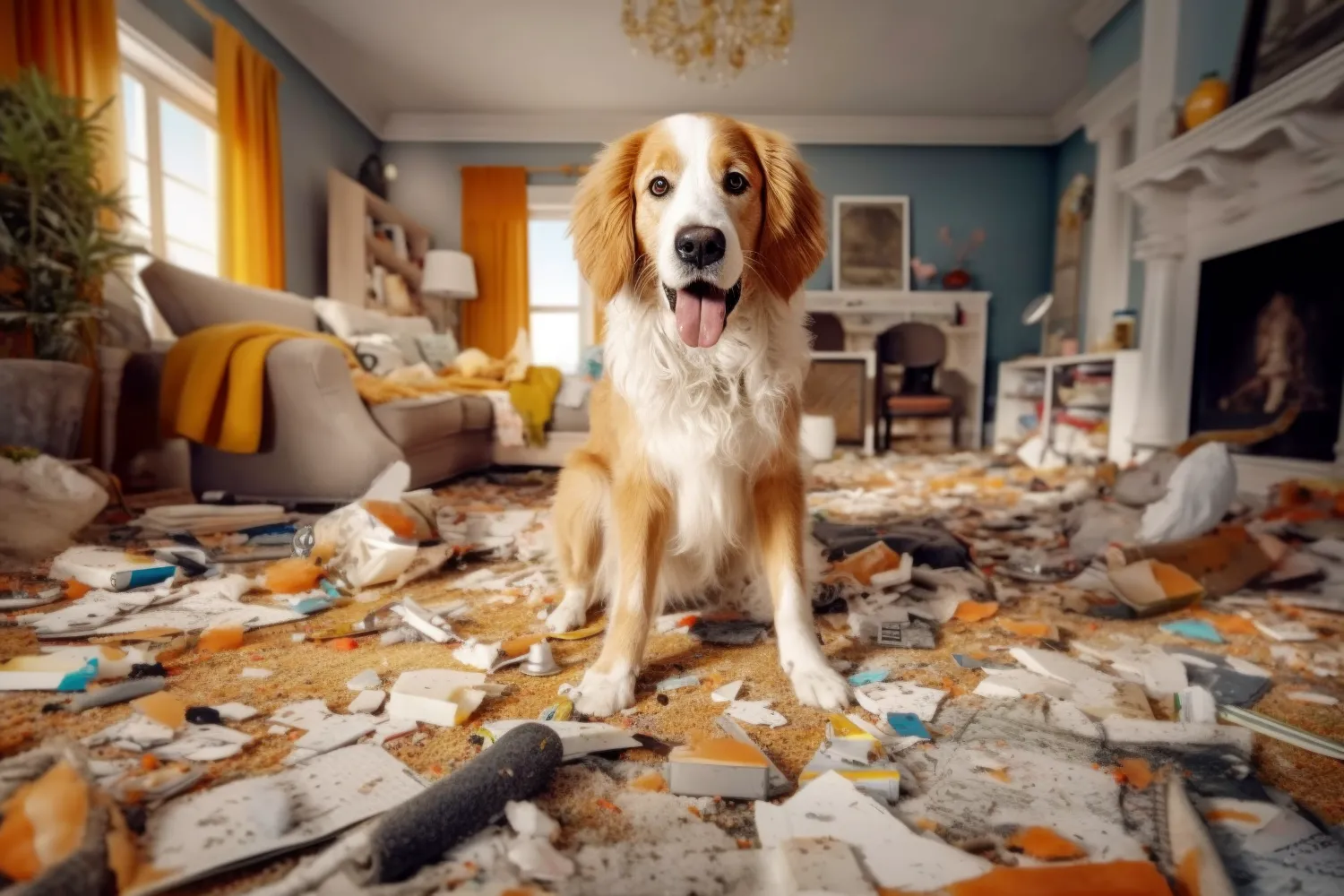
I have stayed in hotels with my Labrador across four continents. At nearly every one, I was handed the same line: the pet fee covers extra cleaning. I started asking the housekeepers directly. Not the managers, not the corporate PR team, the people who actually clean the rooms. What they told me was consistent, blunt, and completely at odds with what their employers were charging me.
We formalised that conversation. Roch Dog surveyed 120 housekeepers across hotels of varying quality and star rating as part of our research into pet fee structures across more than 3,000 hotels in 50+ countries. The question was simple, does a dog staying in the room create significantly more cleaning work? The answer was the same thing I had been hearing informally for years.
It was not the dogs who made the mess. It was the humans.
What the housekeepers said
Housekeepers at five star properties were particularly direct. Several told me that their standards were so high they cleaned every room to the same specification regardless of who or what had stayed in it. A dog in the room did not change the protocol. I have been told this enough now that I stopped being surprised by it.
The most commonly repeated observation was that humans make considerably more mess than dogs, and that children were a far greater source of cleaning work than any canine guest. There were exceptions. Young dogs and dogs that were not fully house trained occasionally caused issues, primarily urination on carpets. But housekeepers described these as infrequent and manageable. Most hotels have carpet cleaning equipment on site and staff reported that such incidents could be resolved quickly.
Of the 120 housekeepers surveyed, fewer than 5% described dog stays as a routine source of significant additional cleaning work. That number is worth sitting with. The industry charges pet fees at 87% of assessed hotels, but the people doing the actual cleaning say the extra work is minimal in 95% of cases.
What the damage research confirms
Independent research supports what the housekeepers told us. The U.S. Pet Inclusive Housing Initiative's 2021 report, surveying large rental portfolios, found that fewer than 10% of all pets cause any damage at all. Where damage does occur, the average repair cost is approximately $210. A separate academic study published in Anthrozoös found no statistically significant difference in overall damage between units with and without pets.
Is your hotel on this list? Browse the Roch directory →
The comparison with human guests puts this in context. A UK survey by Propertymark of 673 property managers found that 85.3% had incurred damage from pets, but 84.7% had incurred damage from adult human guests and 54.9% from children. The damage risk from dogs is statistically indistinguishable from the damage risk of hosting any guest at all.
The cost comparison is even more revealing. The average pet damage repair across affected units is approximately $567. By contrast, unauthorised smoking in a hotel room costs an average of $1,100 per incident and requires two to four days of ozone treatment and remediation. A dog stay that goes wrong costs less and is resolved faster than a guest who lights a cigarette, yet hotels do not charge a $150 smoker prevention fee.
The real numbers behind a pet fee
Baseline room cleaning costs approximately $10 to $16 per clean, including labour, laundry, and supplies. Enhanced cleaning protocols for a room where a dog stayed add approximately $0.70 per room. If a housekeeper's fully burdened wage is $25 per hour, a pet checkout adds $6 to $25 in direct labour cost.
Against this, hotels routinely charge pet fees of $75 to $150 per stay, and many charge $75 to $100 per night. The gap between the actual incremental cost and the amount charged is not a rounding error. It is a margin. A $150 flat fee charged to every dog owning guest is not a cleaning fee. It is not cost recovery, it is revenue, collected under the pretence of operational necessity.
Hotels that charge no fee and still deliver a premium dog friendly experience demonstrate that absorbing the cost of hosting dogs is commercially viable. The fee is a choice, not a requirement. And when a hotel chooses to charge it, you have every right to ask what you are getting in return.
What this means for dog owners
The next time you see a pet fee described as a "cleaning surcharge," ask the hotel what it covers. Ask whether the fee pays for a dog bed, food and water bowls, access to shared spaces, or treats on arrival. If the answer is that the fee covers extra cleaning, you now know what that cleaning actually costs, somewhere between $6 and $25. The rest is pure margin.
The best dog friendly hotels in the world, those rated A and A+ under the Roch Dog Friendly Standard, are more likely to waive the fee entirely or deliver genuine value in return. The worst, those rated D and F, charge the most and provide the least. meaning that price is not a reliable indicator of quality in this category.
What the hotel actually provides is the only signal that matters.

Kali Concierge
Travelling with your dog? Ask Kali.
Where your dog is genuinely welcome to stay, eat, drink and walk in 50+ countries, how to cross borders with the right paperwork, and calm emergency medical advice with the nearest 24-hour vet. Free, day or night, in any language.