
Should You Sedate Your Dog for a Flight? What the Airlines Say
American Airlines Cargo will not fly a dog that has been sedated, or even looks it, and IATA advises against sedation in the cabin too. What the airlines and pet shippers say, where prescribed anti-anxiety and motion sickness drugs fit, and what to do instead.
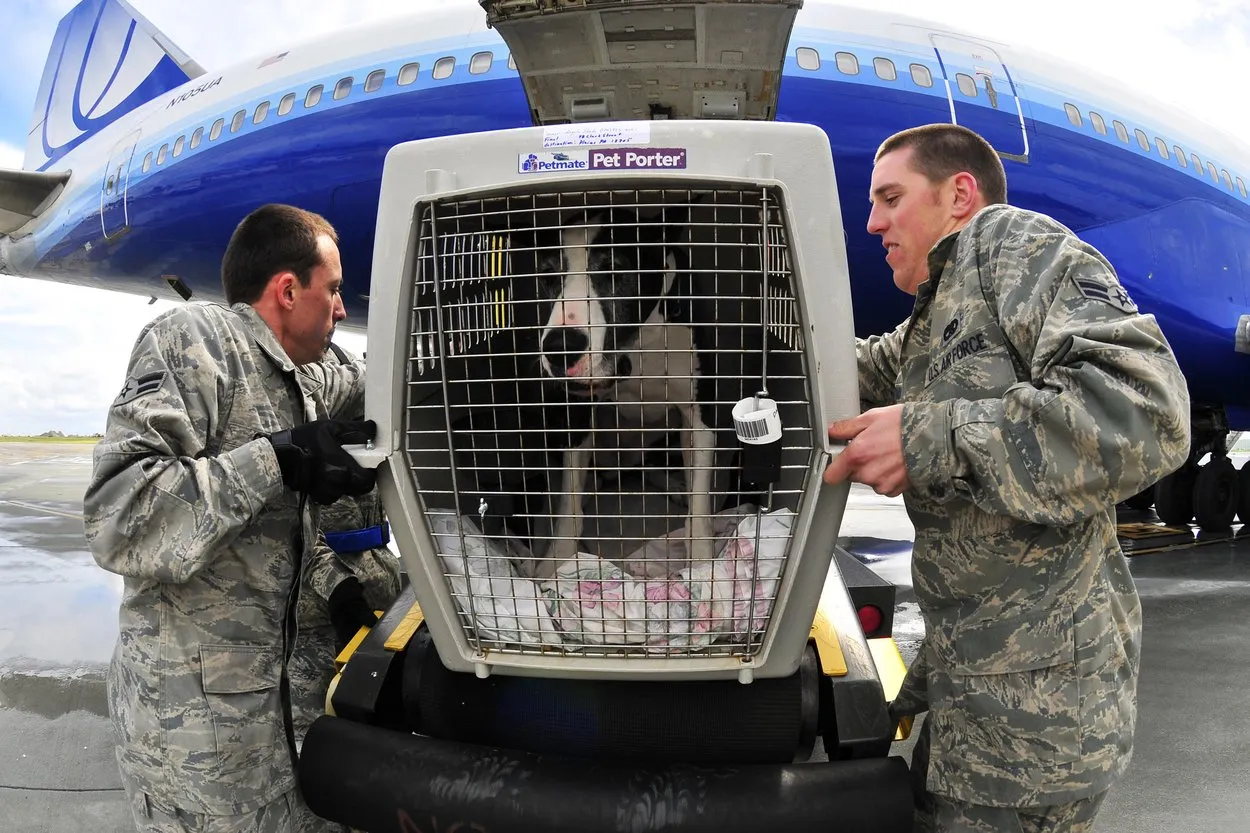

American Airlines Cargo will turn a dog away at the counter if it so much as looks drugged. The airline's cargo animal policy says it "will not knowingly accept a dog or cat that has been or appears to have been sedated." The last four words are the ones to notice. A dog that is groggy from a pill given to help it cope can be refused, because it looks like a dog that has been sedated, and the people who fly dogs for a living are close to unanimous about what to do instead.
Why the Airlines Say No
American's rule comes with its reason attached. "At the recommendation of the American Veterinary Medical Association (AVMA), American Airlines will not accept household dogs and cats that have been sedated or tranquilized. Pets that have been given sedatives or tranquilizers are at a higher risk of respiratory and cardiovascular problems at high altitudes." The hold is pressurised, but not to sea level. The International Pet and Animal Transportation Association, whose members are the pet shippers who put dogs on planes every day, puts the figure at 8,000 feet or higher, and says little is known about how a sedated animal copes under the stress of transport at that altitude.
IPATA is blunter about the cost. Its answer to the question "Is tranquilization okay for my pets?" cites the AVMA: "Over-sedation is the most frequent cause of animal deaths during airline transport and accounts for almost half of all deaths." It adds that snub-nosed dogs are especially affected, which matters because those are the breeds already struggling to breathe in a warm hold. If you have a pug, a French bulldog or a boxer, read our guide to travelling with a flat-faced dog before anything else; American Airlines Cargo will not accept pugs, boxers, bulldogs, Shih Tzus or a long list of other snub-nosed breeds at all.
The Cabin Is No Different
Owners of small dogs sometimes assume the rule is about the hold and that a dog under the seat is another matter. The airline industry's own body says otherwise. IATA's guidance for passengers travelling with a dog or cat in the cabin states that sedation is advised against in the cabin too, because "tranquillizers reduce the ability of the animals to respond to stress during transportation." It goes on: if such drugs are given, "they must be under a veterinarian's direction and the airline should be advised of their use", and airlines may refuse a sedated animal at their discretion.
So there are two separate tests. Your vet decides whether a drug is safe for your dog. The airline decides whether it will carry a dog that has taken it. Passing the first does not pass the second, and the airline's answer is the one you meet at the airport.

Sedatives and Anti-Anxiety Drugs Are Not the Same Thing
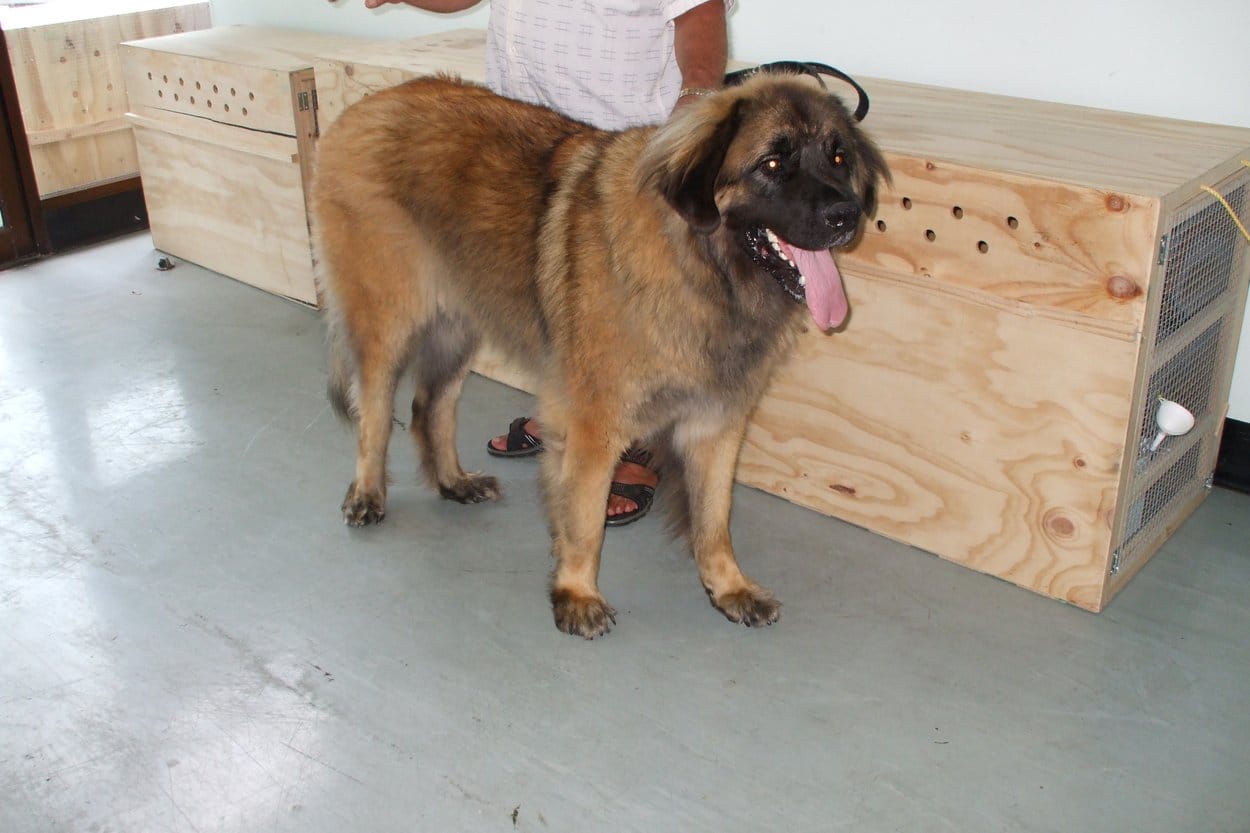
The word sedation covers a lot. At one end are tranquillisers given to knock an animal down; at the other are drugs vets prescribe for a specific frightening event, a car journey, a vet visit, fireworks. Barbara Sherman, a board-certified veterinary behaviourist formerly of North Carolina State University, described her approach for dogs that panic in the car in dvm360, the veterinary trade publication: trazodone one to two hours before departure, or dexmedetomidine about 45 minutes before. These are prescription medicines chosen for the individual dog, and they are a reasonable conversation to have with your own vet about a long drive.
For a flight, the label on the bottle does not settle the matter. American refuses a dog that appears sedated, whatever it was given and whoever prescribed it, and IATA asks that the airline be told about any drug at all. If your vet thinks your dog needs something to fly, tell the airline before you book, give it the name of the drug and the dose, and get its answer in writing. Give the dose once at home, days before the trip, so you know how your dog looks on it, because that is how the agent at the counter will see it.
When It Is Not Nerves at All
A dog that drools, pants and shakes in the car is not always frightened. Sherman makes the point in the same piece: a dog that is salivating, panting or otherwise distressed in the car could be nauseous, and she suggests trying maropitant to see whether the signs go away. Maropitant is not a sedative. The US Food and Drug Administration has approved it "for the prevention of acute vomiting and the prevention of vomiting due to motion sickness in dogs", and it is available only on prescription. For a dog that hates the car, this is worth ruling out before reaching for anything stronger. Our guide to driving with your dog covers car sickness, breaks and restraint in full.
What Works Instead: The Crate
Every source that tells you not to sedate tells you the same thing to do instead. IPATA: "Rather than tranquilizing, pre-condition your pet to its travel container." American's cargo page recommends the same, as far ahead of the trip as possible, and repeats the method vets give: leave the crate open in the house with a chew or a familiar object inside, so the dog spends time in it by choice. IPATA's page passes on the same tip with an old sock in place of the chew, and quotes IATA on what happens next: once the hold door is shut and the dark comes down, "most animals will naturally relax and many will sleep."
On the day, the crate should not be a strange box but the dog's own bed, the one place in a loud airport that smells of home. Start weeks out, not days. Feed meals in it, then close the door for a minute, then for longer, then carry it, then take it in the car. Our guide to training your dog to travel sets out the steps for the crate, the carrier and the car, and our guide to flying a dog in the hold covers crate sizes, the official incident figures and how to choose a flight.
The Rest of the Paperwork
Sedation is not the only reason a dog is turned away at the counter. American will only carry a dog when the ground temperature at every airport on the route sits between 45 and 85 degrees Fahrenheit. Between 20 and 44 degrees it wants a letter of acclimation, signed and dated by a licensed vet, stating the lowest temperature the dog can be exposed to; above 85 or below 20 it will not fly the dog at all. The AVMA's travel advice adds that some airlines want a health and acclimation certificate signed within ten days of travel, and recommends a nonstop flight, with early morning or late evening departures in summer and afternoon ones in winter.
Book that flight, start the crate work now, and if your dog truly cannot fly without a drug, treat that as an answer in itself. A dog that cannot settle in its own crate at home, after weeks of practice, is telling you something about the hold, and a long drive, a ferry or a train may be the kinder way to get there.

Kali Concierge
Travelling with your dog? Ask Kali.
Where your dog is genuinely welcome to stay, eat, drink and walk in 50+ countries, how to cross borders with the right paperwork, and calm emergency medical advice with the nearest 24-hour vet. Free, day or night, in any language.