
Why a Hotel Brand Tells You Little About Its Dog Policy
Two InterContinentals can sit at opposite ends of the dog friendly scale, and so can two Fairmonts, because each hotel writes its own dog rules under one logo. Kimpton shows what a real brand policy looks like. The owner's lesson is to read the hotel, not the brand.
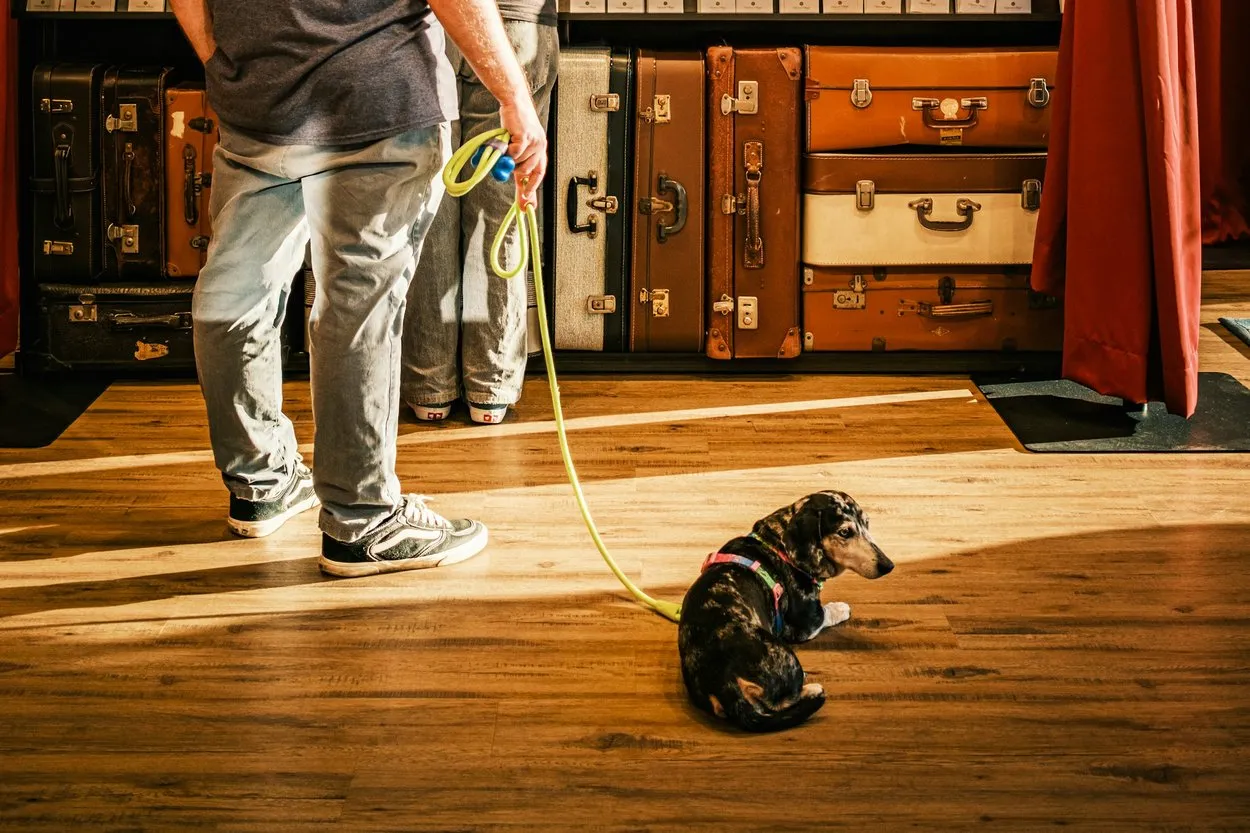
At InterContinental Miami a dog can sit with its owner in the bar, wander the garden and spend Wednesday evening at Paws Patio, the hotel's weekly party for dogs on the Bayside Terrace. There is no weight limit and the fee is $100 a stay. At InterContinental New York Times Square the fee is $250 and the dog's stay is the bedroom and nothing more. Both hotels carry the same name and sit in the same loyalty programme. On the Roch Dog Friendly Standard, Miami scores 69 out of 77, the highest of any hotel we have assessed, and Times Square scores 5.
That gap is the subject of Dog Friendly Performance Across Luxury Hotel Portfolios, a study of 111 hotels across InterContinental, Fairmont and Kimpton, each one asked the questions a careful owner asks before booking. Its finding is plain enough to fit on a luggage tag: inside a luxury brand, the distance between the best and the worst hotel for a guest with a dog is wider than the distance between the brands themselves. A hotel chain's name tells you a great deal about the sheets and almost nothing about the dog.
The Manual Stops at the Dog
A luxury brand runs on a standards manual hundreds of pages long. It sets the thread count, the turndown and the way the concierge answers the phone, it inspects every hotel against it, and it takes the flag away from owners who fail. That is why two InterContinentals a continent apart feel alike, and it is what a guest pays the premium for.
The dog was left out of that manual. Each hotel writes its own dog rules, usually with the insurer looking over its shoulder, and the brand accepts every answer equally. Of the 21 InterContinentals in the paper, fourteen imposed a weight limit and seven did not, and the fee bore no relation to what the dog received.
The three hotels at the foot of the table charged $150, $150 and $250. Miami, at the top, charges $100, and for that the dog gets its own bed and someone to walk it or sit with it while the owner goes to dinner. At the bottom of the portfolio the fee is not paying for anything; it is there to make fewer people bring a dog.
Fairmont, the Brand That Talks About Dogs
Fairmont is the harder case, because Fairmont made a promise. It has kept resident dogs on the staff of its hotels since 2002, and in July 2025 it told the world that "Fairmont is committed to ensuring all guests, including four legged, receive luxury and personalized service." The companion study, Fairmont and the Four Legged Guest, wrote to all 94 hotels on the brand's own list. Sixty two take dogs and hold a published grade. Twenty one refused the dog outright, in writing.
The top of that list is as good as anything in the world. Fairmont Miramar Hotel & Bungalows in Santa Monica lets the dog into the bar, the restaurant, the lounge, the terrace and the garden, puts a bed and real bowls in the room, and can arrange walking, sitting and grooming, for a one-time fee of $125 and no weight limit. Fairmont Banff Springs, one of the Canadian railway hotels with a resident Canine Ambassador, charges C$50 a night and stops at C$100. Fairmont Chateau Lake Louise, up the same valley, charges C$85 a day and caps it at C$450 a stay.
Then there is Fairmont Austin, the brand's largest hotel. It sets a 25 lb limit, which turns away most family dogs, charges $100, and keeps the dog out of its restaurants, bars and lounge. Fairmont Hamilton Princess in Bermuda takes no dog over 25 lb, charges US$250, and offers no bed and no bowls. And a guest who has learned to trust Fairmont with the dog in Banff, then books the Fairmont Hotel Vier Jahreszeiten in Hamburg on the same assumption, is told: "Unfortunately, dogs and any other pets are not allowed as guests in our hotel." Nothing on the brand's own pages warns them first.

Kimpton, Where the Brand Decides
Kimpton belongs to IHG, the same company as InterContinental, with the same mix of franchised and managed hotels. The difference is that Kimpton wrote its dog policy at brand level. Its London hotel, Kimpton Fitzroy London, says it on its own page: pets are welcome at every Kimpton "no matter their size, weight, or breed, all at no extra charge," and "If your pet fits in our lift, we'll welcome them in!"
The numbers follow the words. Of the 27 Kimptons in the paper, 24 let the dog stay free, 26 set no weight limit, 25 put a bed in the room and none grades F. Inside the same company, Kimpton's lowest hotel scored eight points higher than InterContinental's. At the top, Kimpton Vero Beach Hotel & Spa in Florida takes the dog into the bar, the restaurant and the lounge for nothing, and has a golden retriever called Hazel on staff as its Pet Experience Director.
A brand policy guarantees the floor, not the ceiling. Six Kimptons graded D because beyond the bed and the free stay they had built nothing, and a few have drifted off the policy altogether: Kimpton Marlowe Hotel in Cambridge, Massachusetts charges a $250 dog fee. Even the most consistent brand in the data wanders when nobody checks.
Hilton, at the Scale of a Whole System
Hilton shows that a brand can decide for thousands of hotels at once, and also where such a decision tends to stop. In June 2022 it announced that more than 4,600 hotels across seven of its brands in the United States and Canada welcome pets, each with virtual advice from the Mars Pet Expert Team for the length of the stay. The dog beds, food and water bowls belong to one brand, Canopy, through its Paws in the Neighborhood programme. Elsewhere the release says only that many hotels offer bowls and waste bags, and it says nothing about fees or weight limits, which stay with each hotel.
Reading Past the Logo
For an owner the lesson is short. A brand's pet friendly line tells you the dog is allowed in at least some of its hotels. It does not tell you the fee, the weight limit, how many dogs share a room or whether the dog may come down to dinner, and those are the things that decide the trip. They live on the hotel's own policy page, or in the hotel's answer to an email, and they can differ between two hotels in the same city. Our guide to what hotel dog policies really say about fees, size limits and deposits covers how to read one.
The good news sits inside the same data. None of the hotels that moved up the InterContinental table between editions of the paper spent money to do it. InterContinental Los Angeles Downtown went from a D to a B by opening its bar, its lounge and its terrace to the dog. It was the same hotel, with the same rooms, under the same name. It simply decided differently, and that decision is open to every hotel that shares the logo.

Kali Concierge
Travelling with your dog? Ask Kali.
Where your dog is genuinely welcome to stay, eat, drink and walk in 50+ countries, how to cross borders with the right paperwork, and calm emergency medical advice with the nearest 24-hour vet. Free, day or night, in any language.