
Dog Friendly City Guide: Berlin, Germany
Twelve forest dog areas, three fenced runs on an old airport field and a rooftop bar that puts out water bowls. Where to eat, walk and stay with a dog in Berlin, and the lead rules worth knowing first.
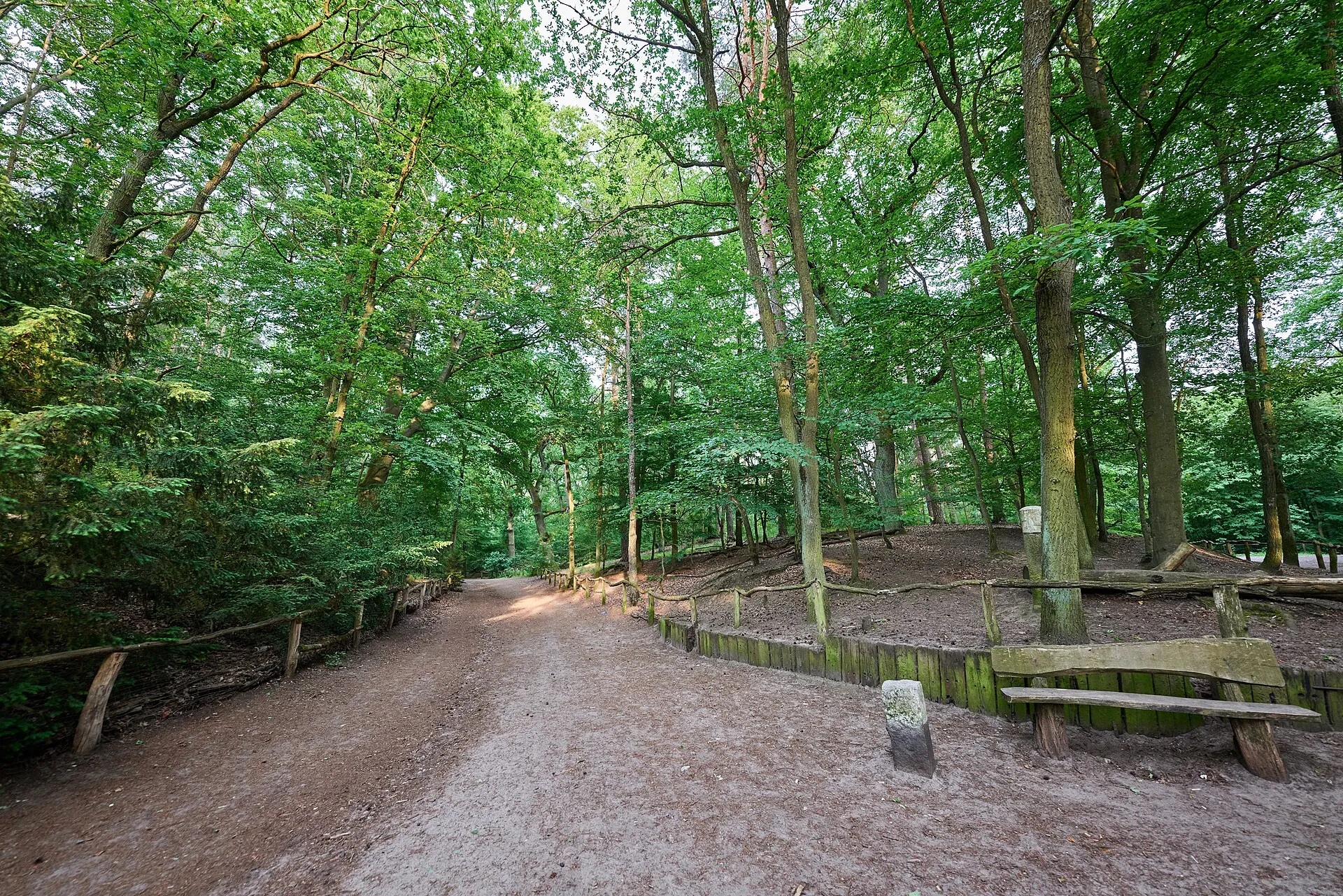
Berlin's foresters keep twelve areas of woodland where a dog may run free, about 1,220 hectares between them, and the oldest have been open for more than seventy years. The Berliner Forsten say no other city in Germany or Europe offers anything like it. That is the deal Berlin makes with a dog: the lead goes on almost everywhere in town, and in return the city hands over forests, an airfield and a string of fenced runs in its parks. Learn where those runs are and Berlin becomes one of the easiest capitals in Europe to share with a dog.
Getting There With a Dog
Germany follows the European Union's rules for pets. A dog needs a microchip first, then a rabies vaccination given at twelve weeks old or later, then a 21 day wait, so the youngest dog that can travel is about fifteen weeks old. From the United States, a USDA accredited vet issues the health certificate and APHIS must ink sign and emboss it, and a new EU certificate has been required since 1 October 2026. The USDA's page for pet travel from the US to Germany sets out every step. From Britain, the government's guide to taking your pet dog abroad covers the microchip, the rabies jab and the animal health certificate your vet must issue before you leave.
Check the breed before you book. Germany's federal import law bars the Pitbull Terrier, the American Staffordshire Terrier, the Staffordshire Bull Terrier and the Bull Terrier, and their crosses. A separate regulation lets one of these dogs come in for up to four weeks with a companion who does not live in Germany, so a holiday is possible but a long stay is not.
Coming home to the United States is simple. Germany is not on the CDC's list of high risk countries for dog rabies, so for a dog that has only been in low risk countries the only paperwork is the CDC Dog Import Form, filled in online, with the dog at least six months old and microchipped.
Where to Stay
Schlosshotel Berlin is a house of 1911 built in the manner of an Italian palazzo, redesigned by Patrick Hellmann, in the leafy Grunewald district, and it is the most generous house in the city for a dog. Most of its rooms take dogs and there is no weight limit, so a Bernese is as welcome as a Border Terrier. A bed and real bowls wait in the room, there is a garden on site, and the staff will point you to the walking routes nearby. Your dog can sit with you in the lounge, in the bar and on the terrace. A settled dog may stay in the room while you go out, and the hotel knows a professional dog sitter if you need one. The fee is 30 euros a night per dog.
Rocco Forte Hotel de Rome fills the old Dresdner Bank headquarters of 1889 on Bebelplatz, and its pool sits in the bank's former jewel vault. Most rooms take a dog, one per room with no weight limit, and the hotel lays on a bed and water bowls. Dogs are welcome on the terrace and in the public areas, the staff suggest walking routes, and a single fee covers the whole stay.
Telegraphenamt is the former main telegraph office in Mitte, reopened as a hotel with the old pneumatic post system still on show in the lobby. Here a dog may come with you into the lobby, the bar, the restaurant and out on the terrace, and Monbijoupark lies directly opposite, which the hotel recommends for walks. There is no weight limit, a bed and bowls are provided, and a dog may be left in the room once reception knows. Allow for a fee of 50 euros a night and a refundable deposit of 100 euros a night.
Classik Hotel Alexander Plaza is the practical choice in the centre, with no weight limit, bowls and free treats, at 25 euros a night per dog. For the full list, see our ranked dog friendly hotels in Berlin.
Eat and Drink
Die Stulle on Carmerstraße, two minutes from the S-Bahn at Savignyplatz, answers the question on its own website: dogs in the café, very gladly, inside and on the terrace, which stays open all year. It is a café and shop built around the Stulle, the open sandwich, with a menu that changes every week, bowls and home made cakes, and a breakfast menu that runs all day, so Eggs Benedict at three in the afternoon is no trouble. It closes at half past five and takes Tuesday and Wednesday off, so make it the first stop of a day in Charlottenburg.
A short walk south, Benedict on Uhlandstraße has done breakfast for ten years, sourdough from its own ovens, poached eggs, pancakes and mimosas from seven on weekday mornings, and at night the room becomes béné, its gastro bar of shared plates, open every evening from six. The Berlin city site Qiez, in its guide to eating out with a dog updated in June 2026, put it plainly: breakfast with a dog is no problem at Benedict.
In Prenzlauer Berg, Der blaue Fuchs on Knaackstraße, just off Kollwitzplatz, is a Georgian restaurant in a dining room done up as the Georgia of the 1920s, hung with the work of the avant garde painter Petre Otskheli. Its own site lists pets as allowed, and Qiez calls it an especially dog friendly restaurant. It opens at five on weekday evenings and from noon at the weekend, and rests on Monday, which makes it the dinner after a day at the Mauerpark.
For a drink, take the lifts in the Neukölln Arcaden to the fifth parking deck and the spiral ramp up from there, where Klunkerkranich runs a rooftop cocktail bar, a garden and a programme of music and culture. Its own FAQ says dogs are very welcome, asks you to keep yours on a lead because some guests feel safer that way, and promises water bowls on site. It opens in the afternoon, with the hours on its site, and looks out over the roofs of Neukölln.
Walks and Parks
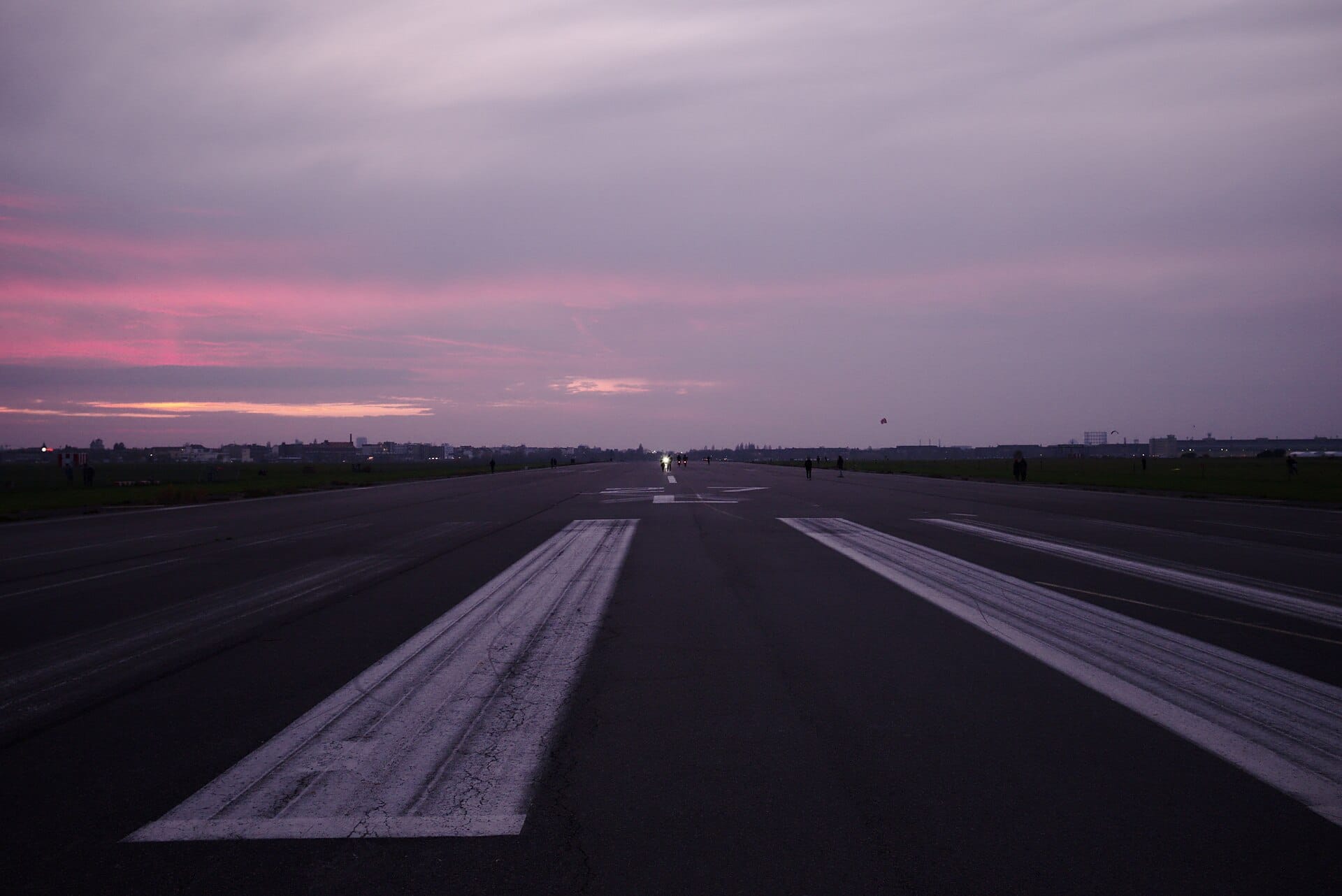
Start with Tempelhofer Feld, the old Tempelhof airport, now Berlin's largest open space. Its operator, Grün Berlin, says dogs are of course welcome on the field, on a lead, and that three fenced dog areas let them off to run. The runways are still there, long and flat, with room for cyclists, runners and a dog at heel, and the gates open and close with the seasons, so check the hours before a late walk.
For a real forest, the Grunewald dog area is run by the Berliner Forsten in the woods west of the city and is one of the twelve forest areas where dogs may go off the lead. The rules are clear: your dog must come back when called, must leave deer and wild boar alone, and should not run or swim where people are bathing. From the Schlosshotel it is a short drive.
Inside the city, the district office for Friedrichshain and Kreuzberg lists its off lead areas. In Volkspark Friedrichshain, the city's oldest park, about 2,300 square metres are open to dogs off the lead, though the water course and the fenced Fairy Tale Fountain are kept free of dogs. The same page lists a dog run of about 1,100 square metres at Park am Gleisdreieck, the park that grew on the old railway yards between Kreuzberg and Schöneberg.
The Berlin Senate's answer to parliament of February 2026 names the other runs worth knowing. Volkspark Hasenheide in Neukölln has a permitted off lead area in its northern part, a short walk from Klunkerkranich. The Mauerpark, on the old border strip between Prenzlauer Berg and Wedding, has a fenced dog run on the Bernauer Straße side, and the lead goes on everywhere else in the park.
A Day Out
Spend a day in Prenzlauer Berg. Begin at the Mauerpark with an hour in the dog run, then walk on to Knaackstraße and book Der blaue Fuchs for the evening. On another day, cross to Tempelhofer Feld in the late morning and let the dog run in one of the fenced areas, walk the runway to the Columbiadamm side, drop into the Hasenheide, and finish on the roof at Klunkerkranich, where a water bowl waits for the dog.
Good to Know
Berlin's dog law puts every dog on a lead across the city, except inside the marked dog areas, and in parks and the Berlin forests the lead rule applies everywhere outside them. The Berliner Forsten also require a dog out of the house to wear a collar carrying the owner's name and address. Dogs may not go onto children's playgrounds, marked sunbathing lawns or public bathing spots, except places signed as dog bathing areas. Clean up after your dog, in the parks and on the dog runs alike; the Friedrichshain and Kreuzberg office says the usual fine for an unleashed dog is 45 euros on a first offence.
On the U-Bahn, S-Bahn, trams and buses, the city's transport guide says a dog no larger than a cat rides free in a closed carrier. A bigger dog needs a lead, a muzzle and a reduced fare ticket, and travels free with a day ticket. No dog may sit on a seat.
Kali Concierge
Travelling with your dog? Ask Kali.
Where your dog is genuinely welcome to stay, eat, drink and walk in 50+ countries, how to cross borders with the right paperwork, and calm emergency medical advice with the nearest 24-hour vet. Free, day or night, in any language.