
What Your Dog Can Catch on Holiday in Southern Europe
Sandflies, ticks and mosquitoes in Spain, Portugal, France, Italy and Greece carry leishmaniosis, babesiosis and heartworm, three diseases that can make a dog seriously ill. Where and when each one is active, what actually stops the bite, and the one parasite rule on the way home.
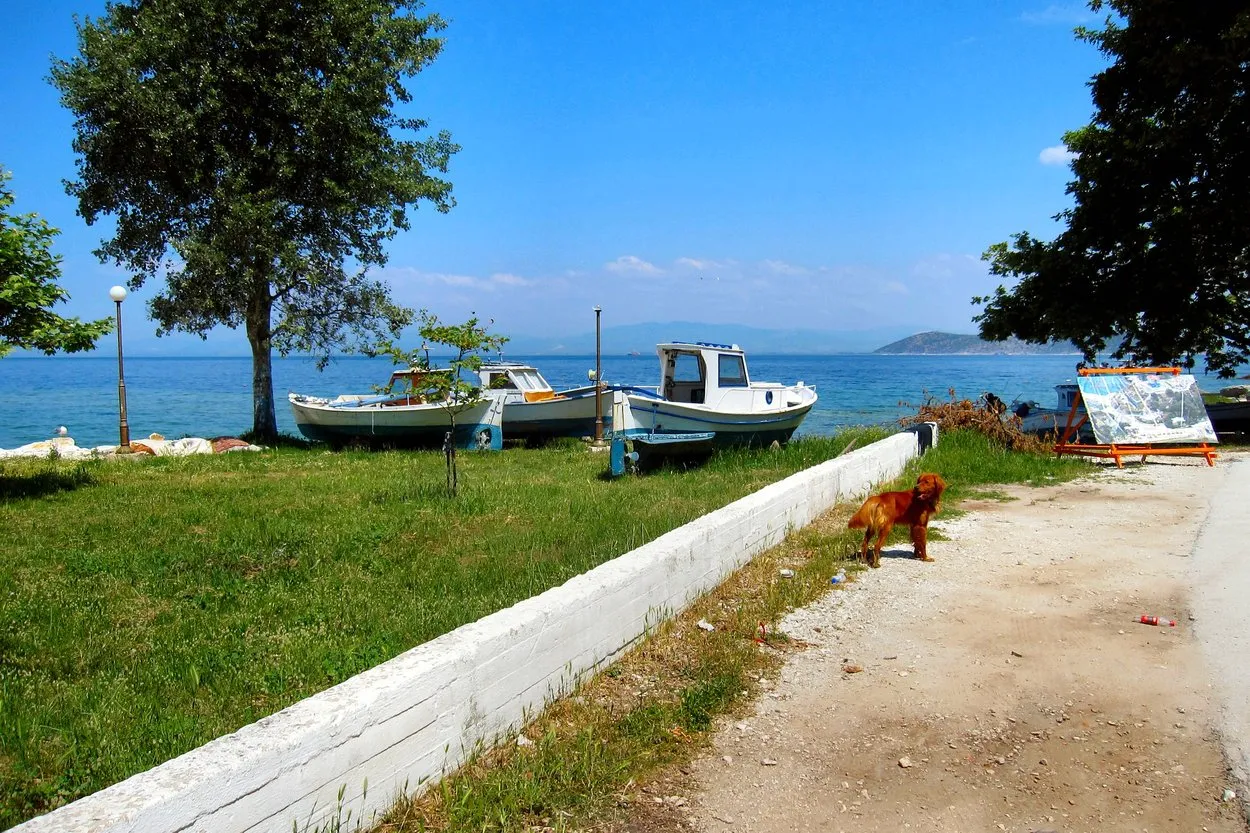

The sandflies of the south east of France work the night shift. By day they rest in the cracks of stone walls and in wood piles; after sunset they come out to feed, in towns and countryside alike, up to 600 metres above sea level. They carry leishmaniosis, a parasite disease that can kill a dog if it is not treated. The veterinary parasitologists at the University of Liverpool put the advice in one line: do not let your dog sleep outdoors at night unless it is screened with fine mesh netting.
None of this appears on the paperwork. A dog coming home to Britain from Spain, Portugal, Italy or Greece needs a microchip, a rabies vaccination, a travel document and a tapeworm treatment. The diseases most likely to make it ill in the south of Europe, carried by sandflies, ticks and mosquitoes, are left entirely to the owner. ESCCAP, the European council of parasite specialists, keeps a region by region travel guide, and its first piece of advice is about timing: "Please consult your own veterinary professional at least one month before you travel."
Sandflies and Leishmaniosis
Leishmaniosis is spread by the bite of a sandfly, and the dog is the parasite's main reservoir. ESCCAP's guideline on vector-borne disease gives the season across the endemic south as April to November, and says some areas need protection all year round, naming southern Spain, Italy, Portugal and Greece. The Liverpool guidance adds a detail worth knowing on the ground: sandflies favour wooded areas and gardens rather than beaches.
The disease is slow, which is what makes it treacherous. The incubation period runs from three months to years, and only a small share of infected dogs ever show signs. When they do, the first is often a small sore where the sandfly bit, usually on the ear, the nose or the belly, which is easily mistaken for a tick or insect bite. Weight loss, swollen lymph nodes, skin and nail problems can follow, and the guideline is plain that the disease can be fatal without treatment.
Mosquitoes and Heartworm
Heartworm, a worm carried by mosquitoes, settles in the right side of the heart and the arteries that lead to the lungs. ESCCAP lists it in Portugal, Spain, the south of France, Italy, Greece and Croatia among others, and calls it a severe and potentially fatal disease in dogs, with the first signs, a cough, breathlessness and loss of condition, arriving five to seven months after infection. In central Spain its transmission season generally runs from April to November; in south eastern Spain, all year round. In Rome the tiger mosquito that carries it is active throughout the year, both day and night.
Of the three, heartworm is the one where a short trip has a simple answer. The guideline says a dog spending no more than a month in a risk area is fully protected by a single preventive treatment, usually given soon after you get home. For a longer stay the treatment is monthly, the first within 30 days of arriving and the last within a month of leaving.
Ticks and Babesiosis
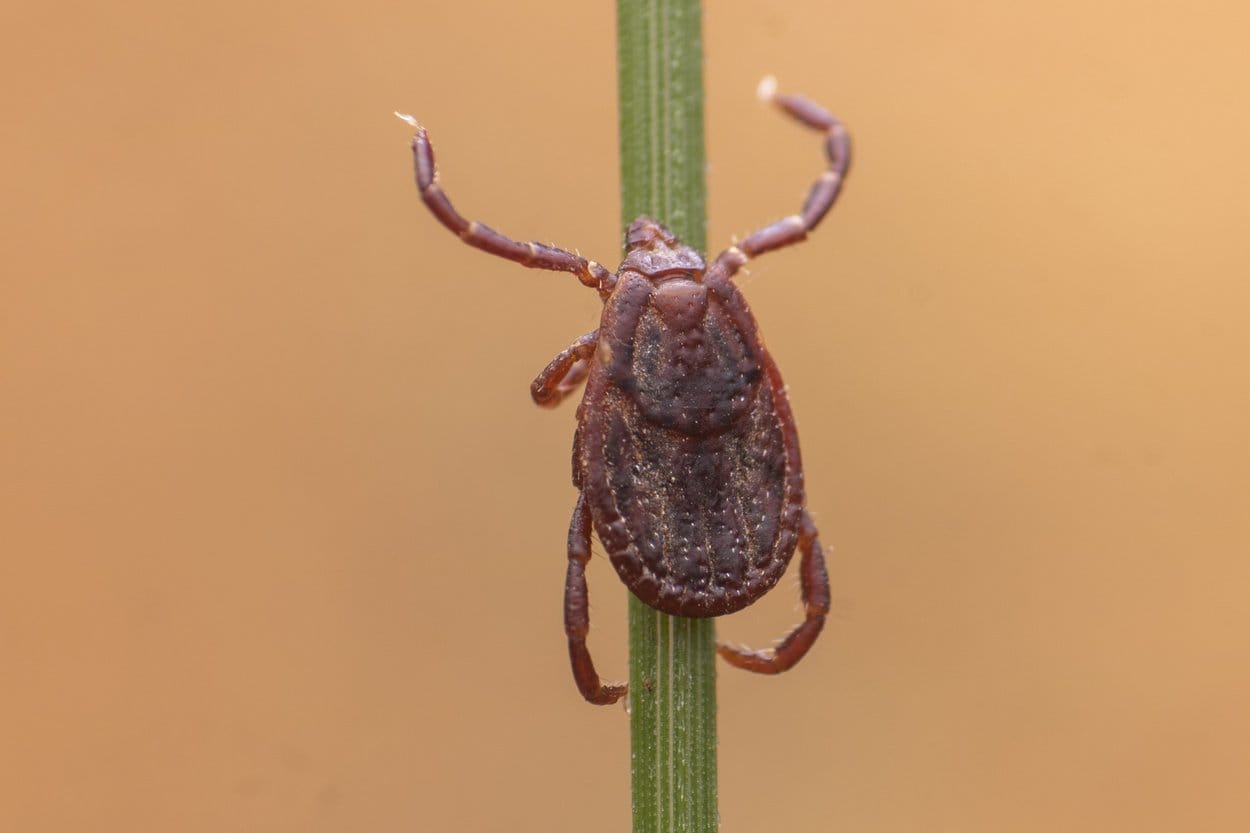
Babesiosis, a tick-borne parasite of the red blood cells, moves faster than either of the others. It incubates in one to three weeks, and the signs are fever, lethargy, a dog that will not eat, jaundice, vomiting and sometimes red or rust coloured urine. It can come on suddenly, with fatal consequences within two to three weeks of the tick bite, so a dog that falls ill abroad or soon after returning needs a vet at once. Our guide to a dog falling ill on holiday covers finding one.
A female tick generally has to feed for 24 to 48 hours before the parasite passes into the dog, so killing or removing a tick within that window cuts the risk. Check the coat every day and lift any tick out with a tick remover tool; carry the tool with you and check again when you are home. The brown dog tick, a tick of southern Europe and warmer climates, likes the ears and the spaces between the toes, so look there first.

Where and When
ESCCAP's travel pages map the risk region by region. In the south east of France, ticks, sandflies and mosquitoes are all prevalent. In the south west, babesiosis may be highly endemic in places, and its tick is busiest from March to June and again in September and October. In central Spain ticks are most active from April to October and sandflies from April to November; in south eastern Spain sandflies are active all year; in the north west of the country their season runs from June to October.
Italy has ticks, sandflies and mosquitoes throughout the country, with sandflies up to 600 metres in town and country alike. Southern Portugal is rated very high risk for these diseases, with risk rising from north to south, infection rates highest from March to October or November and the peak from June or July to September. For Greece, ESCCAP lists babesiosis, ehrlichiosis and leishmaniosis among the diseases present, and heartworm too. A dog driven through France to the Spanish coast, as in our UK to Spain guide, crosses several of these regions.

What Protects a Dog
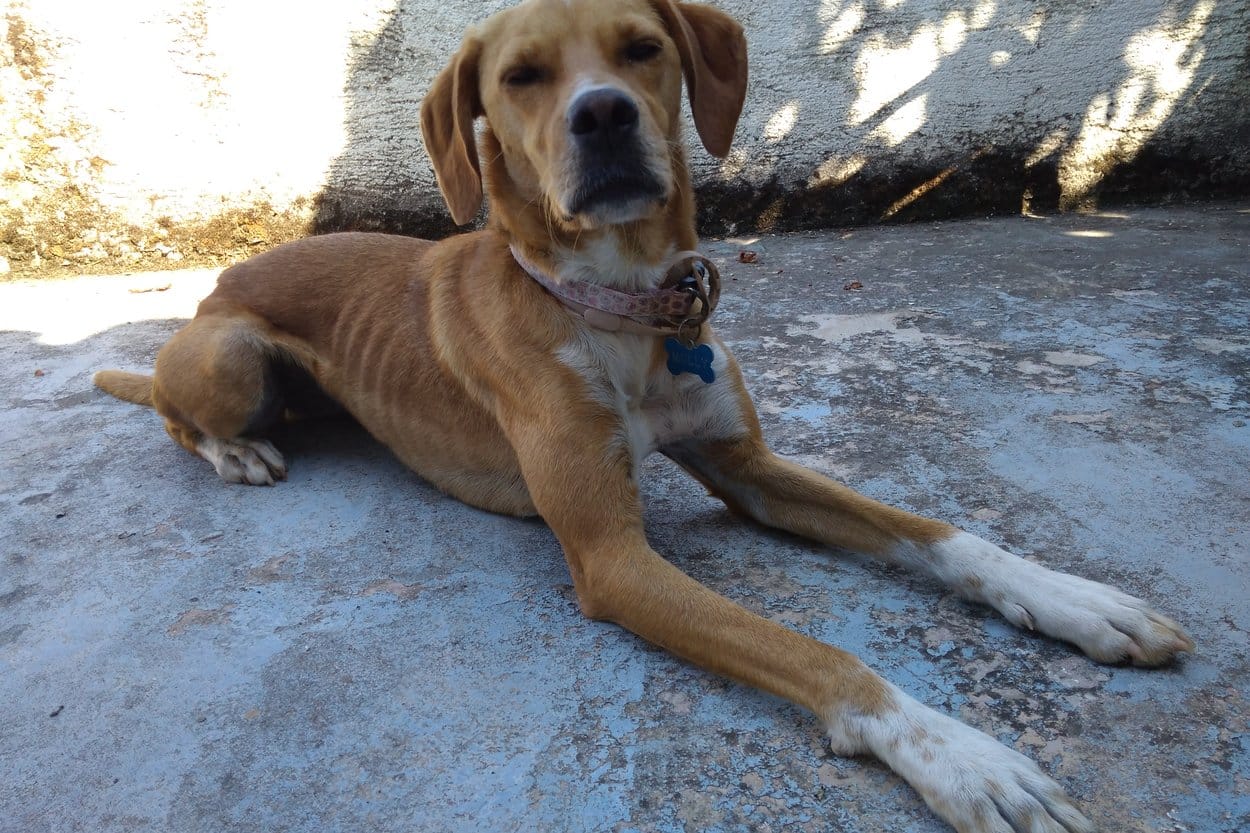
What protects a dog is stopping the bite in the first place. Against sandflies the most promising defence is a repellent and insecticide worn on the dog: a collar carrying 4% deltamethrin repels them from about a week after it goes on and for more than six months, and a permethrin spot-on protects within about 24 hours for three to four weeks. Put the collar on several days before the dog can meet a sandfly. A vaccine approved in 2016 can be given to dogs over six months old that test negative, one injection and then yearly, and insecticide together with vaccination is the best control there is.
The rest is routine. Keep the dog indoors at dusk and dawn through the risk season, when sandflies and mosquitoes both feed. Fine nets on windows and doors and an insecticidal room spray help indoors, and so does tipping out a water bowl rather than letting it stand, because standing water is where mosquitoes lay their eggs. Check, too, that you will be allowed to carry the dog's treatments with you into each country you visit.
Coming Home
The law's one parasite rule for the return to Great Britain is tapeworm. Under the gov.uk rules, a vet must treat the dog with praziquantel, or an equivalent proven against the Echinococcus multilocularis tapeworm, no less than 24 hours and no more than 120 hours before you arrive and record the product, date and time in the passport or health certificate. Dogs coming directly from Finland, Ireland, Northern Ireland, Malta or Norway are exempt, and gov.uk advises treating again within 28 days of getting home. The rest of the paperwork is in our guide to passports and health certificates, and the appointment in the vet visit before you travel.
The tablet is not the end of it. Some of these diseases show themselves soon after you are back; others, as Liverpool puts it, may incubate for months or even years before signs develop. A dog that grows thin and tired the spring after a summer in Andalucía may be carrying the sandfly's parasite from a warm night on a terrace, and only a vet who knows where it has been will think to test for it. Liverpool's last line is the one to keep: please tell your vet if your pet has ever been abroad.

Kali Concierge
Travelling with your dog? Ask Kali.
Where your dog is genuinely welcome to stay, eat, drink and walk in 50+ countries, how to cross borders with the right paperwork, and calm emergency medical advice with the nearest 24-hour vet. Free, day or night, in any language.