
Barry and the Dogs of the Great St Bernard Pass
For two centuries the canons of the Great St Bernard and their dogs brought lost travellers home through the snow. The true story of Barry, the legends the museum in Bern took apart, and where you can still meet the dogs today.
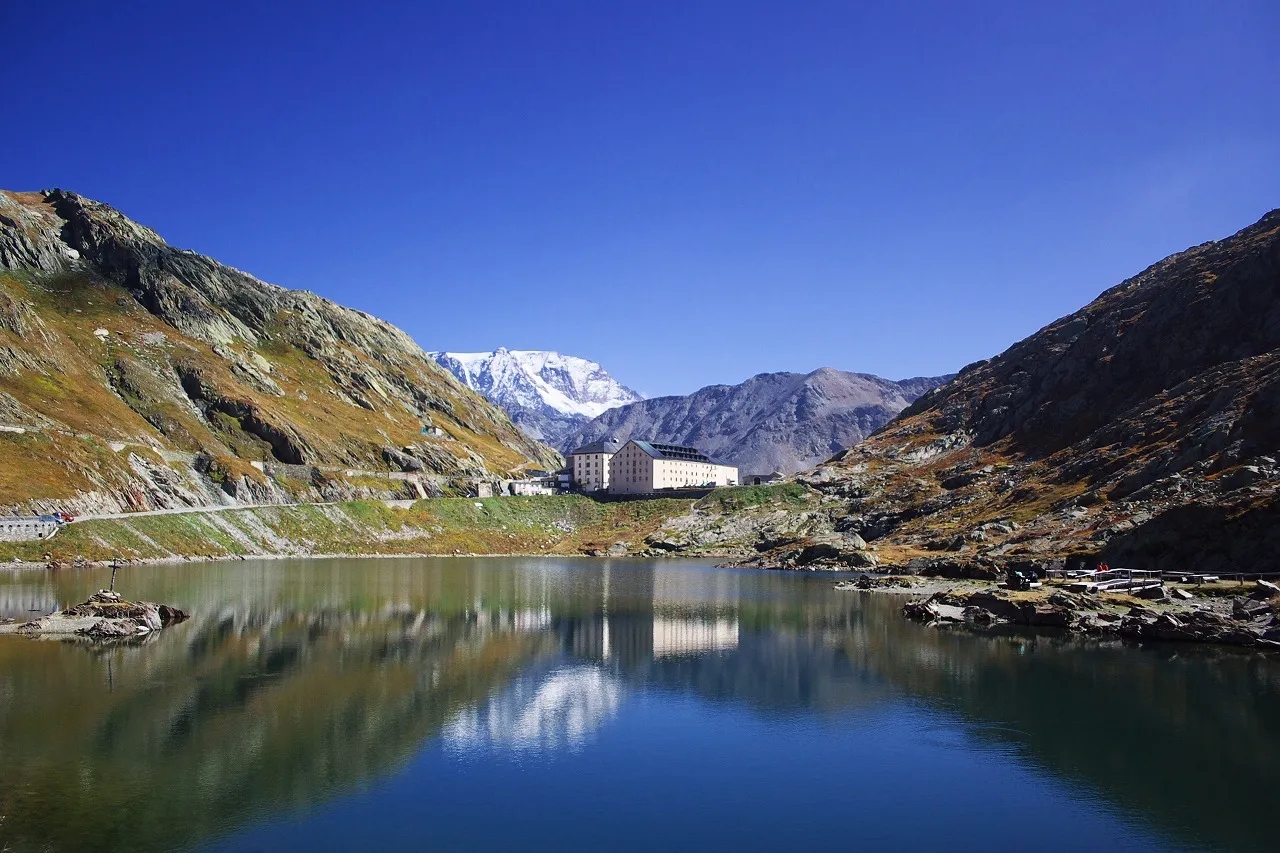
High on the border between Switzerland and Italy, at about 2,473 metres, a stone hospice sits beside a small lake at the top of the Great St Bernard Pass. For most of the year the road up to it is buried, and the only way in is on skis or snowshoes. For nearly a thousand years the people who live there have taken in whoever comes over the top, and for a good part of that time they did it with dogs. The most famous of those dogs, Barry, now stands in a glass case in Bern, and the museum that keeps him has gone to some trouble to tell you which of his stories are true.
The Hospice at the Top of the Pass
The Hospice du Grand-Saint-Bernard gives its own founding date as 1050, when Bernard of Montjoux, archdeacon of Aosta, built a refuge for travellers crossing the Alps. The Historical Dictionary of Switzerland is more careful: it treats 1050 as the date tradition gives, and notes that a religious house dedicated to Saint Nicholas of Myra is documented on the pass from 1125. Either way, the house is run by a community of Augustinian canons, and the Natural History Museum of Bern dates their stewardship to the 11th century. The hospice says its welcome has never been broken, and it still offers beds and communal meals all year round.
The pass was dangerous in every season. Travellers lost the path in fog and snow, and the canons and their servants went out to find them. Over time, the museum explains, the canons began to take dogs with them on those searches, and by its count more than 2,000 people were saved from death over the course of 200 years. The Barry Foundation, which keeps the breed today, records dogs at the hospice in documents from 1695 and in a written account from 1707. They were the big farm dogs of the valleys, used first as companions and then above all as guides for travellers caught in the snow and mist.
What the Dogs Actually Did
The picture most people carry, of a dog digging a stranger out of an avalanche, is not quite the one the museum paints. The canons' dogs, it says, were not like modern avalanche dogs. Their main job was to find the way back to the hospice in a heavy blizzard, when the men could no longer see the path. That, rather than heroics in the drifts, is the work that built the reputation.
That reputation travelled. The foundation credits chronicles in several languages, and the stories carried home by soldiers who crossed the pass with Napoleon's army in 1800, with spreading the name of the hospice dogs across Europe in the 19th century. The museum puts that crossing in May 1800, with around 46,000 soldiers.
Barry, and the Legends
Barry was born in 1800 and lived as a rescue dog at the hospice. He is said to have helped rescue 40 people, and he was famous before he died, which the museum takes as good evidence that he really was an extraordinary dog. The Historical Dictionary of Switzerland is drier, calling his role as a rescuer overstated while granting that he did a great deal to build the myth. The Bern museum's exhibition was made to mark the 200th anniversary of his death, and it is honest about him.
Take the best known story, in which Barry sets out alone, finds a lost child and carries the boy home on his back. The museum's answer is that not even the cleverest or strongest of dogs would be capable of such a feat. Then there is the tale of his death, killed by a French soldier who took him for a wolf. There were a few wolves on the pass at the time, and Napoleon's army did cross it, but the crossing was in 1800, the year Barry was born. In fact Barry died in Bern in 1814, after two years of retirement in the city. He was sent there at the request of the prior, and the museum admits nobody knows why the community chose Protestant Bern, only that it suggests he was a dog they held in unusual regard.
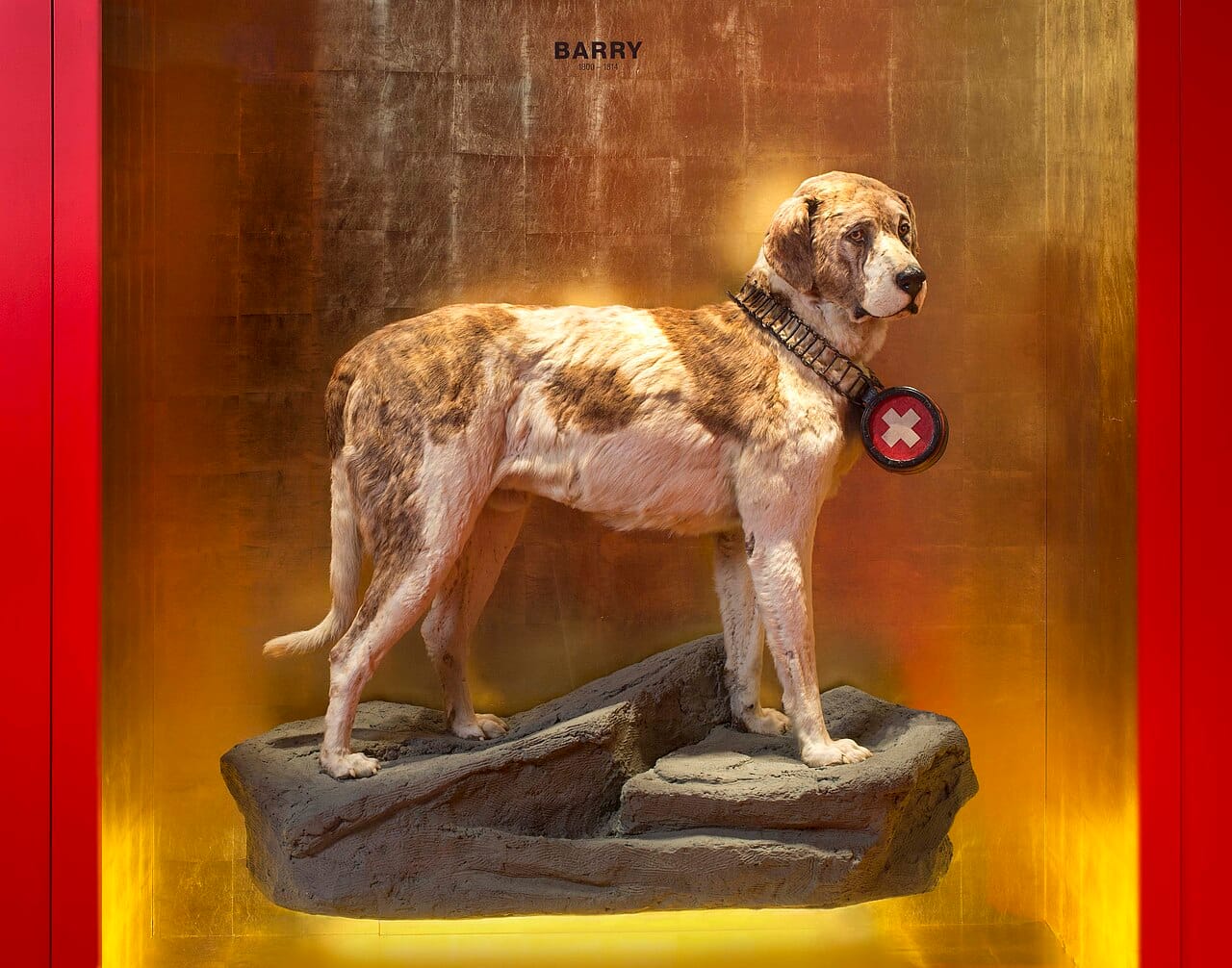
About a century after his death his first mount was in poor condition, and its humble, submissive pose no longer matched the brave hero visitors expected. In 1923 the taxidermist Georg Ruprecht made a completely new mount with the best methods of the day, giving him a prouder bearing closer to the St Bernard we picture now. The coat is his own. He stood in the museum's entrance hall until 2014 and now has a permanent exhibition of his own.
From Pass Dog to National Dog
The breed that grew out of the hospice dogs became a national symbol. According to the Barry Foundation's history, Heinrich Schumacher of Holligen near Bern issued the first pedigree certificates for his dogs in 1867. When the Swiss dog register opened in February 1884, its very first entry was a St Bernard called Léon, followed by 28 more. The Swiss St Bernard Club was founded in Basel that March, the breed was formally recognised with a written standard in 1887, and it has been regarded as Switzerland's national dog ever since.
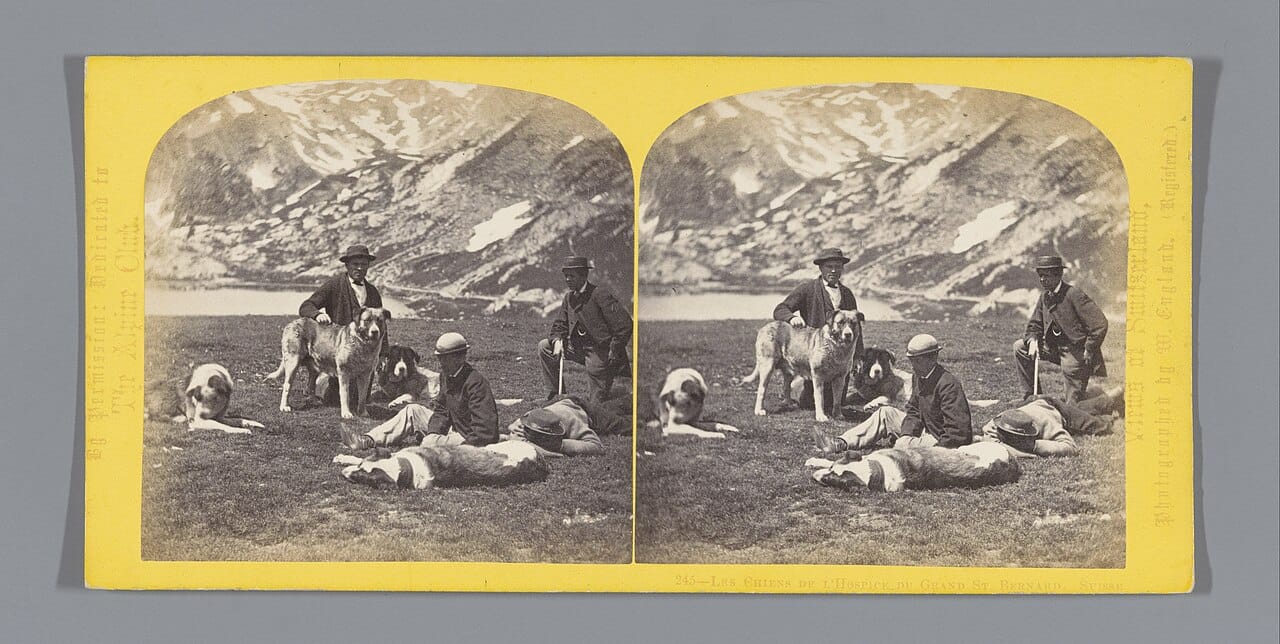
The canons kept the dogs themselves until 2005, when, as the hospice puts it, they entrusted the breeding to the Barry Foundation, set up that January in Martigny to take over the kennels. The foundation keeps about 30 dogs, most of them the short-haired type that the hospice favoured, and around twenty pedigree puppies are born there in an average year, most of them going to new homes at ten weeks old.
Meeting the Dogs Today
The dogs still go home every summer. From June to September some of the foundation's St Bernards return to the kennel at the pass, and in 2026 the foundation reported that ten of them had arrived on 11 June to spend the whole season there. The foundation's pass page lets you tour the kennels and watch the daily care, and in July and August it runs hikes with the dogs in small private groups on the heights above the hospice, at around 2,400 metres. The foundation calls them sporty hikes, and they have to be booked ahead. The road is open from early June to mid October, depending on the snow, and in winter the hospice can only be reached on touring skis or snowshoes, a walk of about two and a half hours from Bourg-Saint-Bernard. The hospice museum opens daily in summer from 10am to 6pm, and entry for an adult is CHF 12.
Down in the Rhône valley, the foundation's park at Martigny, Barryland, is open every day from 10am to 6pm except 24 and 25 December, and it is about a five minute walk from Martigny-Bourg station. Your own dog cannot go into the park itself, but Barryland's practical page says there are cages where it can wait while you visit, with a key from reception, and that dogs are welcome in the café.
If you make the pilgrimage to Barry himself, know that the Natural History Museum of Bern, at Bernastrasse 15, does not allow dogs in its exhibitions other than guide and certified assistance dogs, so plan for someone to walk yours while you pay your respects. It is a small price for the dog whose real work, finding the way home through the snow, needed no embellishment at all.

Kali Concierge
Travelling with your dog? Ask Kali.
Where your dog is genuinely welcome to stay, eat, drink and walk in 50+ countries, how to cross borders with the right paperwork, and calm emergency medical advice with the nearest 24-hour vet. Free, day or night, in any language.